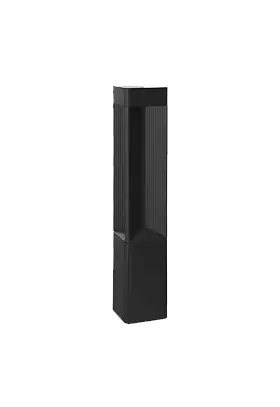
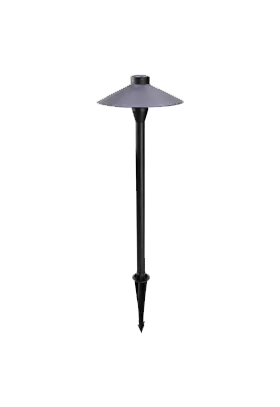
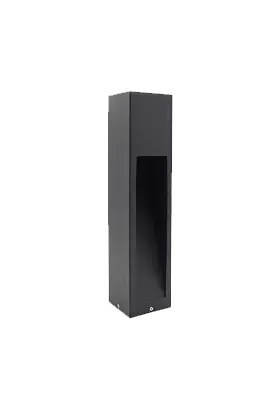
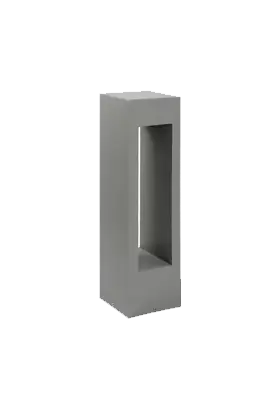
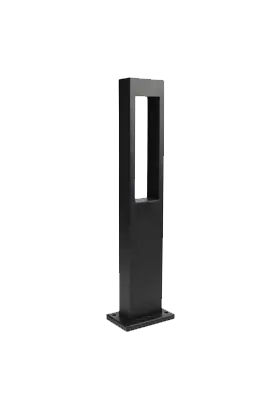
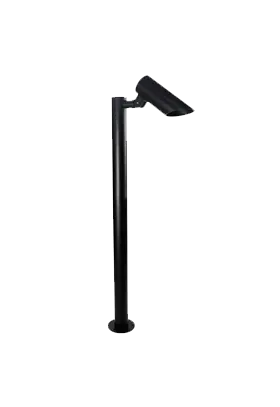
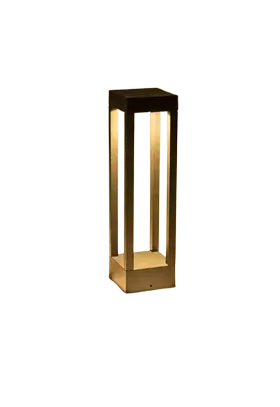
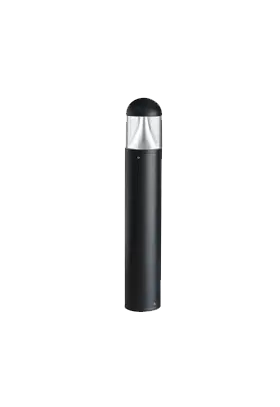
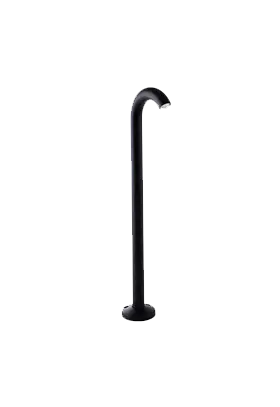
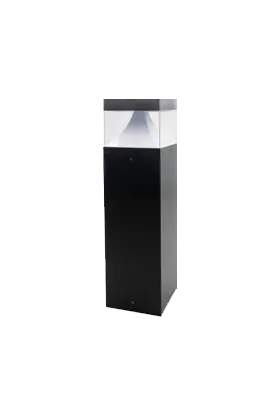
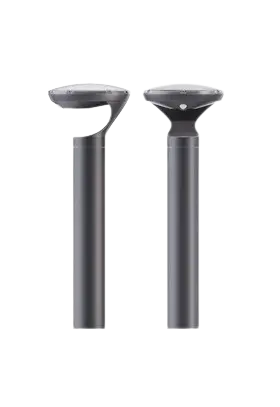
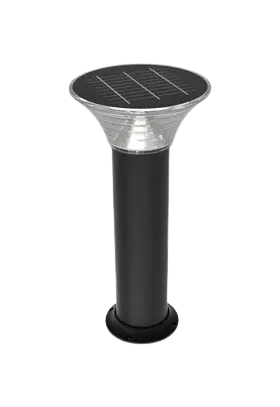
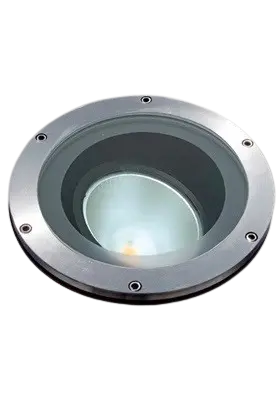
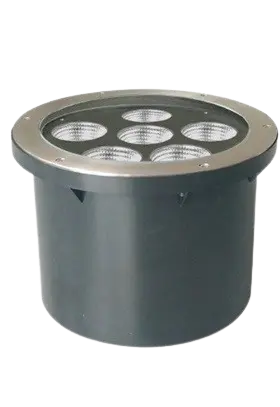
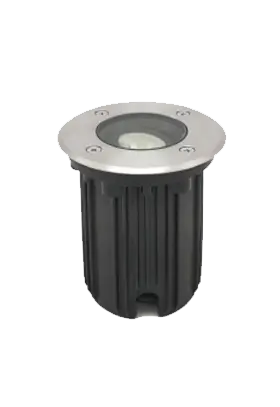
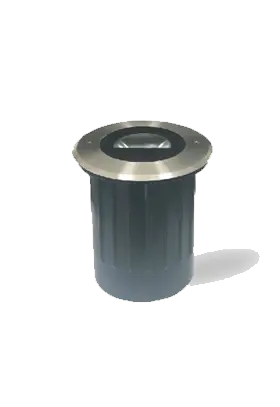
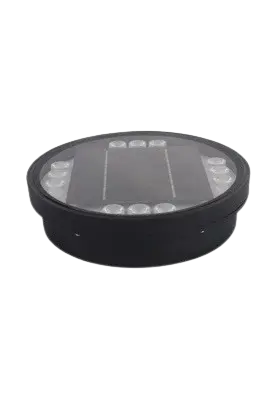
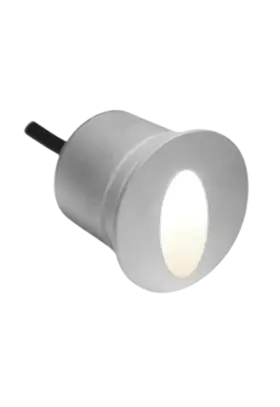
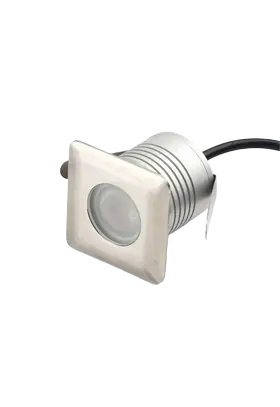
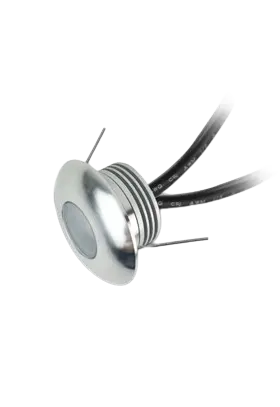
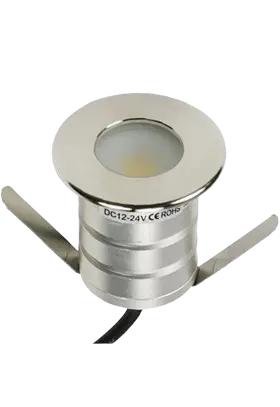
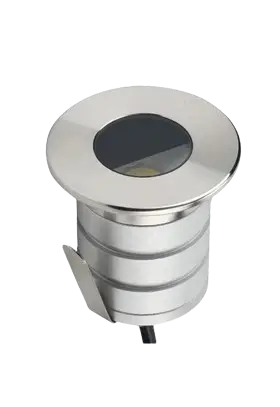
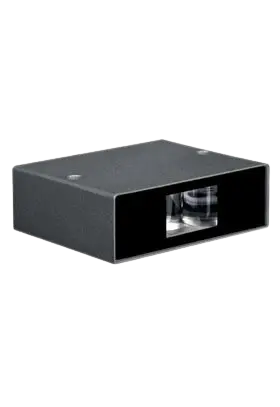
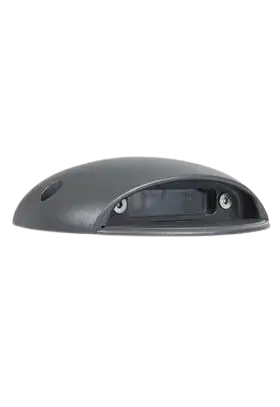
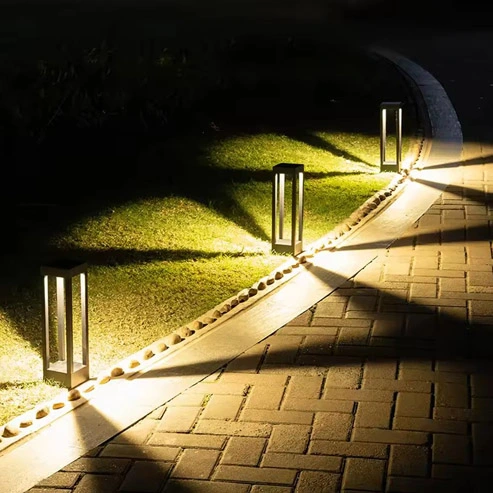
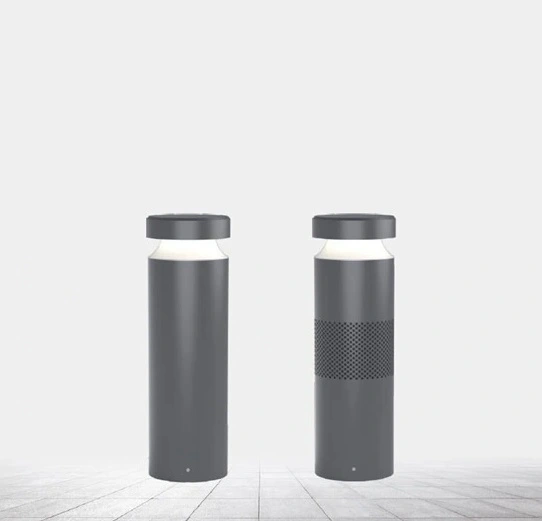
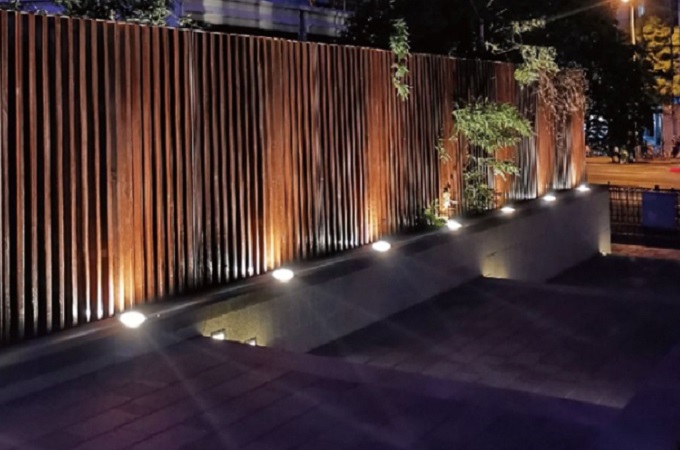
Consider where the LED bollard lights will be installed and the desired lighting effect. Pathways typically require uniform, low-glare illumination, while entrances, gardens, parks, and open areas may need wider light distribution or higher lumen output.
Key specifications include lumen output, color temperature, installation height, fixture spacing, voltage, and lighting controls. Choosing the right combination helps achieve balanced illumination and improved energy efficiency.
For coastal, humid, or high-traffic locations, evaluate housing materials, surface coatings, impact resistance, and IP rating. These factors are essential for ensuring long-term durability and reliable performance.
The appearance and finish of LED bollard lights should complement the surrounding environment. Selecting a suitable design helps create a consistent and attractive outdoor lighting solution.
By considering these factors, you can choose LED bollard lights that deliver the right balance of functionality, durability, efficiency, and visual appeal for your project.
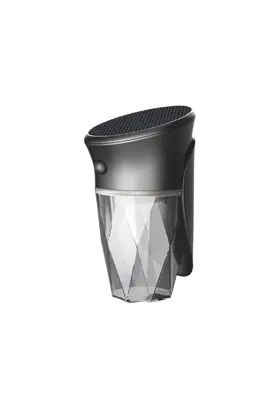
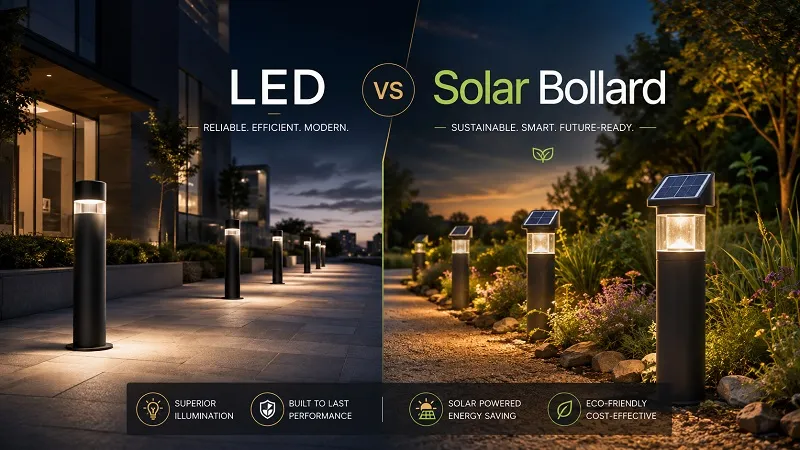
LED bollard lights are ideal for projects where stable power supply and consistent lighting performance are required. They provide reliable brightness, flexible control options, and are suitable for commercial landscapes, residential communities, parks, pathways, and public areas where precise lighting design is important.
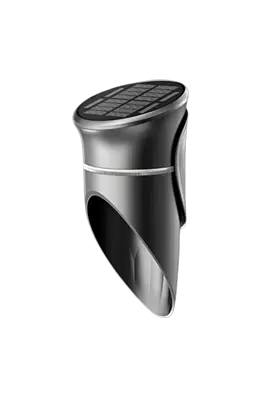
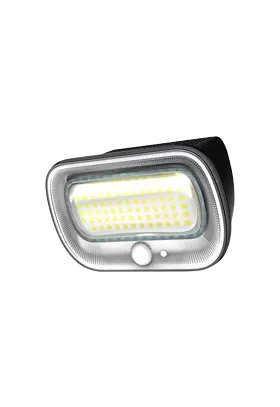
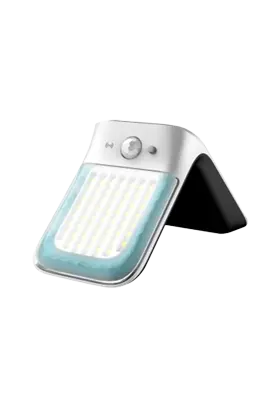
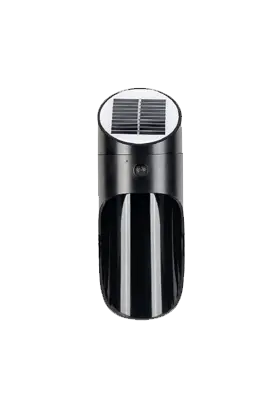
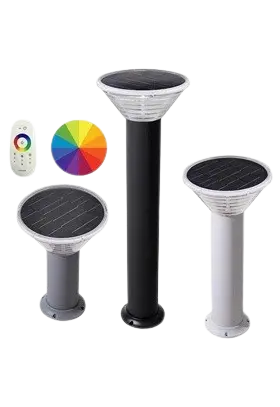
Solar powered bollard lights are a practical choice for outdoor locations where wiring is difficult or grid power is unavailable. Powered by integrated solar panels and rechargeable batteries, they offer easier installation, lower operating costs, and a sustainable lighting solution for pathways, gardens, landscapes, and remote areas.
For projects requiring higher lighting control, continuous illumination, or customized lighting performance, LED bollard lights are often the preferred choice. For areas where reducing installation complexity and using renewable energy are priorities, solar bollard lights can provide an efficient and flexible alternative.
By understanding the differences between LED and solar bollard lights, you can select the right outdoor lighting solution based on your project requirements, environment, and long-term maintenance goals.
Placement: Choose suitable locations along pathways, driveways, garden borders, or outdoor areas where bollard lights will be installed.
Mounting: Securely anchor the bollard lights into the ground using mounting brackets or fixtures designed for outdoor use. Ensure they are positioned to provide adequate illumination and visibility.
Electrical Connections: Use weatherproof cables and connectors to connect the LED bollard lights to a power supply.
Seal all electrical connections with waterproof tape, heat shrink tubing, or silicone sealant to prevent water ingress and ensure safety.
Testing and Adjustment: Before completing the installation, test each bollard light to ensure it functions properly. Verify that all lights turn on and off correctly and that the brightness meets expectations. Adjust the height and position of the bollard lights as needed to achieve the desired lighting effect and coverage in outdoor spaces.
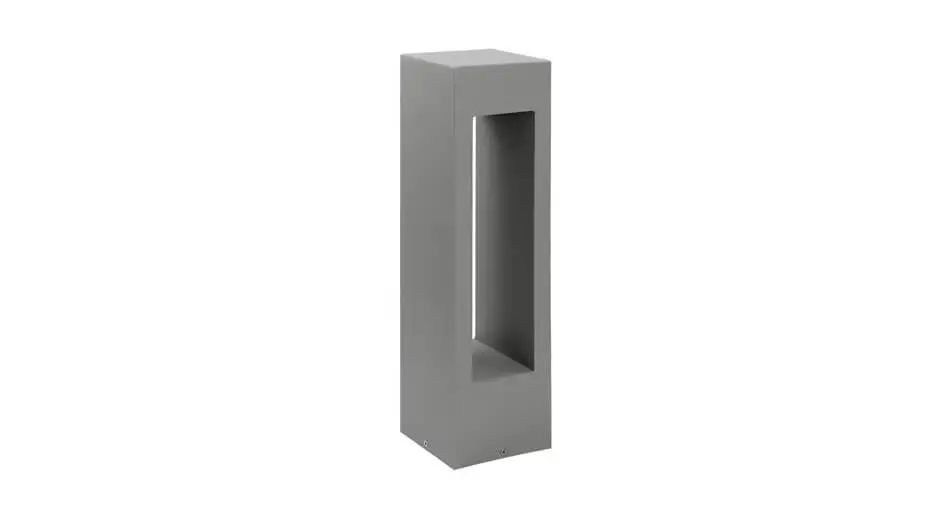
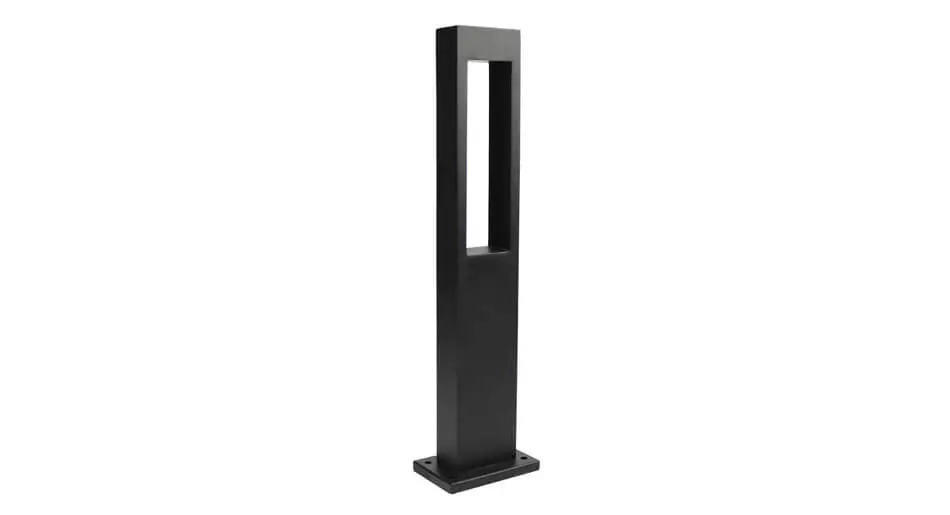
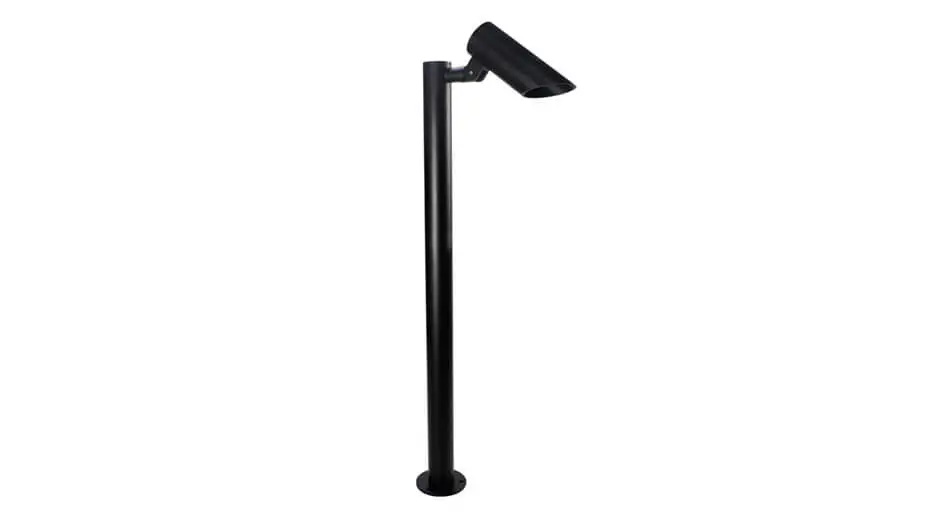
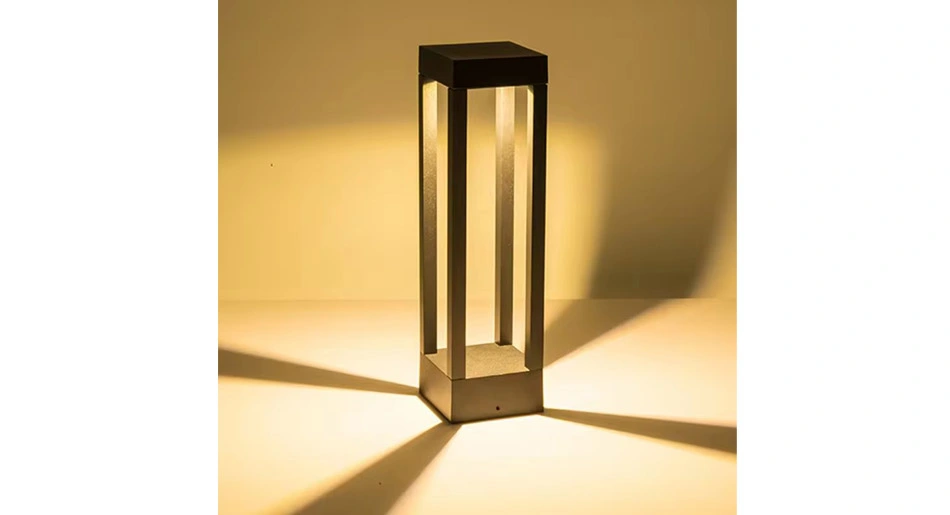
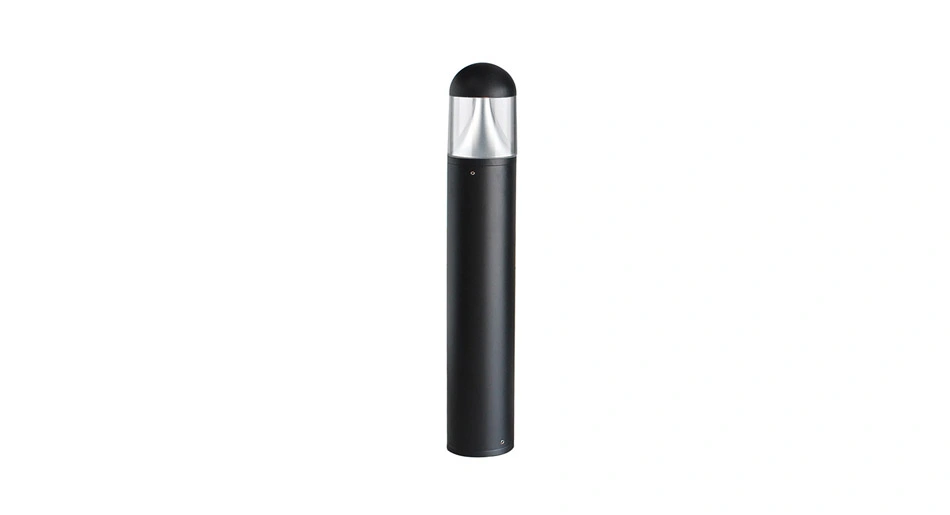
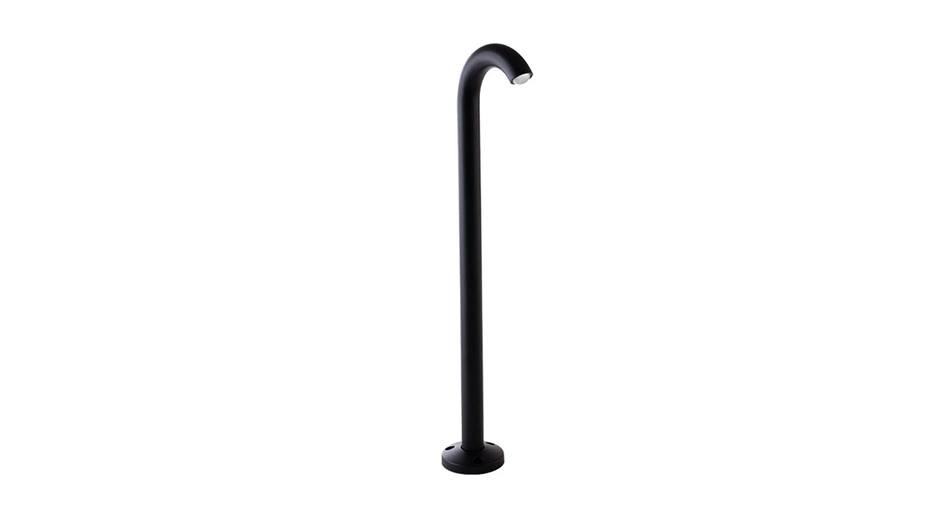
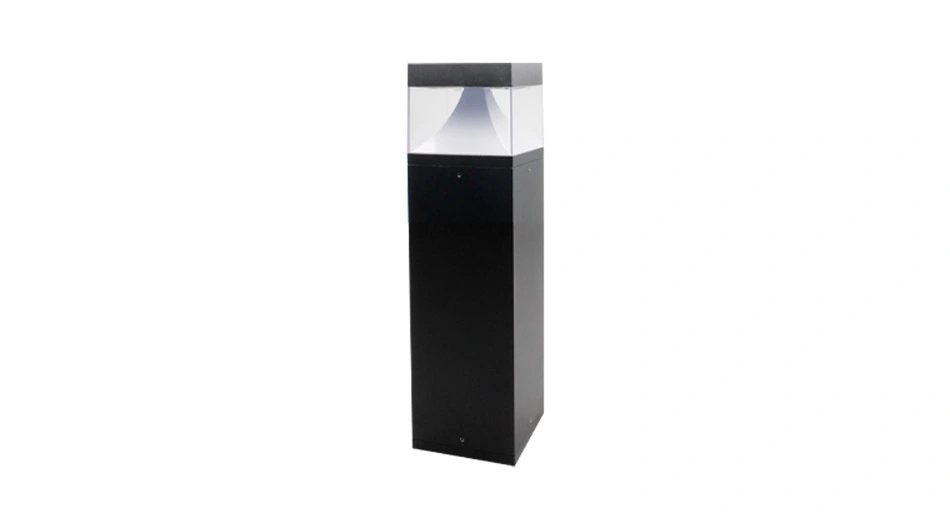
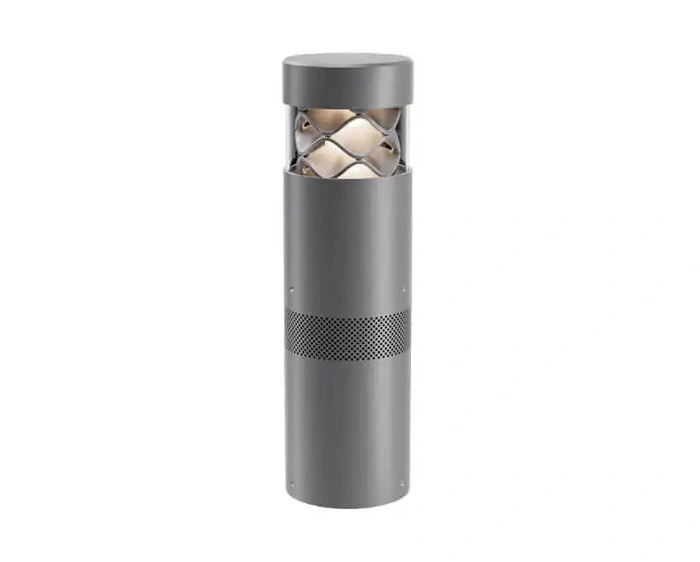
LED bollard lights are outdoor light fixtures mounted on short posts (bollards) typically used to illuminate pathways, gardens, driveways, and other outdoor spaces. They provide both functional lighting and aesthetic enhancement.
Energy Efficiency: LED lights consume less energy compared to traditional lighting technologies, resulting in lower electricity bills and reduced environmental impact.
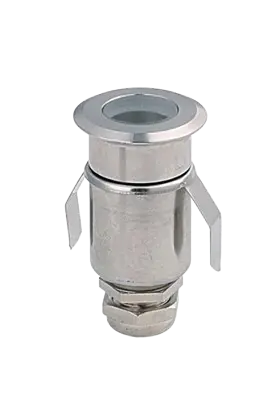
Long Lifespan: LEDs have a longer operational life, typically lasting tens of thousands of hours, which reduces maintenance costs.
Durability: LED bollard lights are robust and resistant to shock, vibration, and weather elements, making them suitable for outdoor use.
Design Options: They come in various styles, sizes, and colors, allowing for customization to match the aesthetic of different outdoor settings.
LED bollard lights are commonly used in:
Pathways and walkways
Gardens and parks
Driveways and entrances
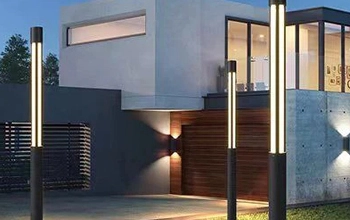
Commercial and residential landscapes
Public areas and campuses
Yes, LED bollard lights are designed to withstand various weather conditions, including rain, snow, and UV exposure. They are typically rated with an IP (Ingress Protection) rating that indicates their resistance to dust and water ingress.
As the best alternative to metal halide and high pressure sodium lamps, LED bollard lights have the following advantages:
Energy savings: LED bollard lights consume significantly less energy than traditional street lights, reducing electricity costs and minimizing environmental impact.
Longer life and less maintenance: Compared to tungsten metal bulbs, which have a lifespan of approximately 6,000 to 15,000 hours, LEDs have a much longer lifespan, resulting in lower maintenance and replacement costs.
Focused Lighting: LED bollard lights provide targeted, evenly distributed light, minimizing glare and light pollution while improving visibility for pedestrians.
Environmentally Friendly: LEDs are free of harmful substances such as mercury and have a low carbon footprint, making them an environmentally friendly lighting solution.
Spacing depends on mounting height, lumen output, beam distribution and the required illuminance. A photometric check is recommended for commercial projects rather than using one fixed distance.
Warm white is often selected for hospitality and residential landscapes, while neutral white may be preferred where clearer task visibility is needed.
Yes. Share the required finish, voltage, CCT, quantity and project conditions so feasibility, sampling and lead time can be confirmed.
Focus on providing customers with one-to-one product customization services, and one-stop solar system solutions.
Hydget has set up a professional R & D team, 70% of the products are exclusively designed, and have unique advantages in the market.
Hydget has cooperated with customers in more than 200+ countries and regions around the world, and is a reliable supplier for customers.
Hydget factory covers an area of more than 7,000 square meters, and the supply capacity can fully meet any needs of customers.