
What are you looking for?

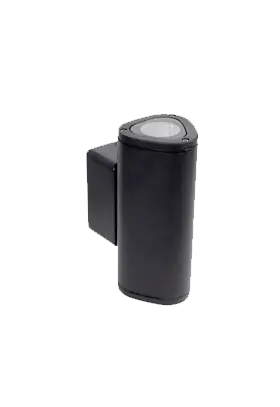
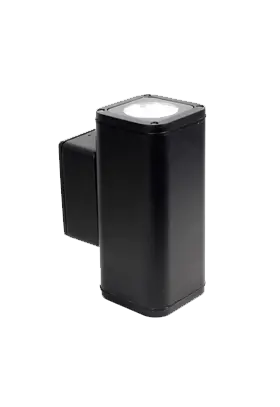
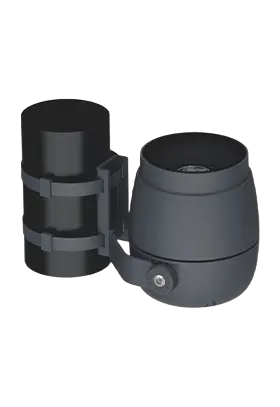
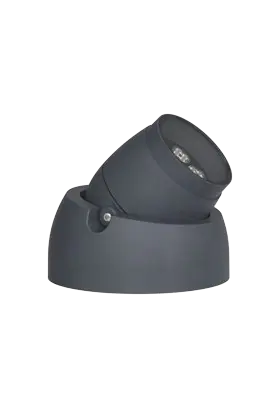
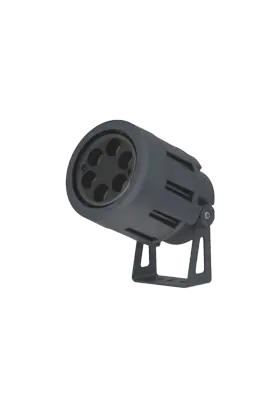
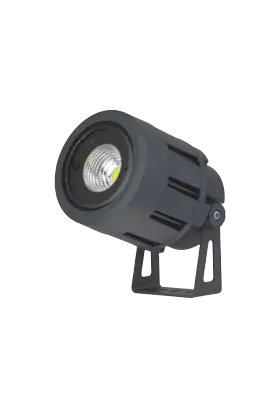

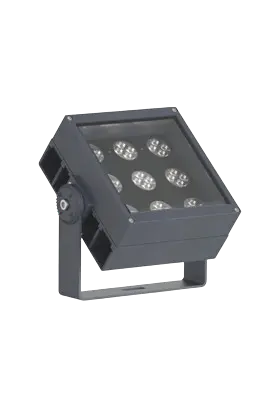
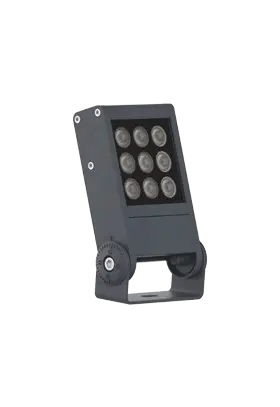
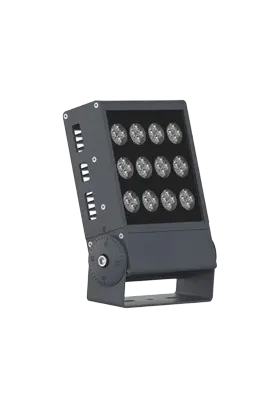
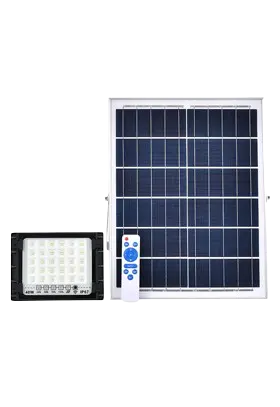
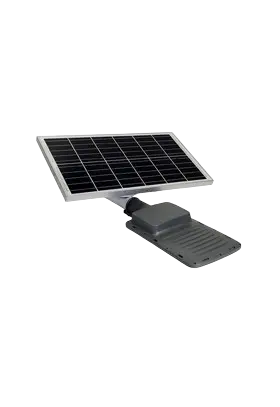

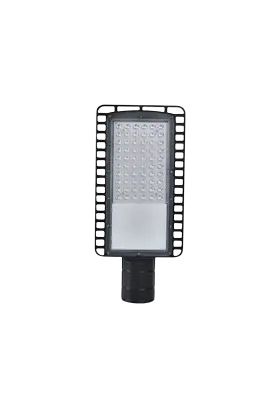
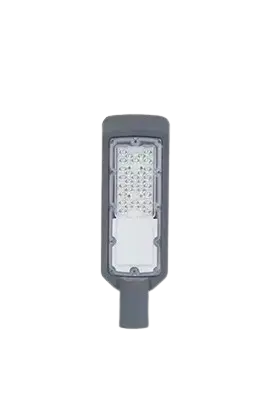
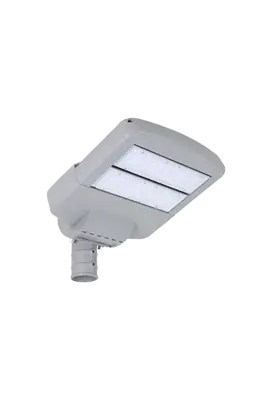
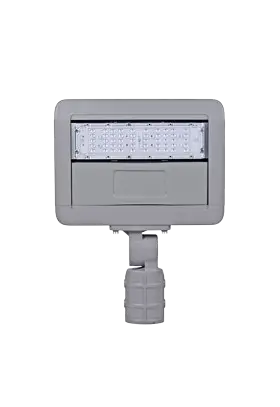
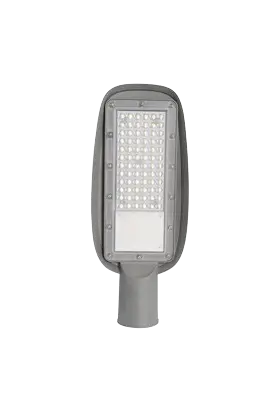
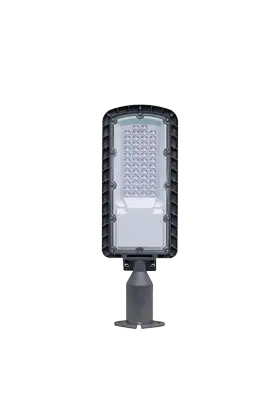
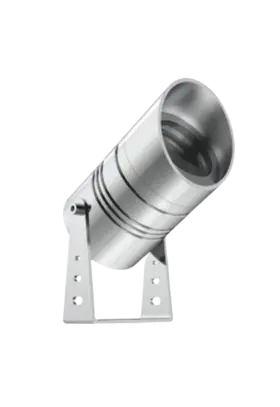
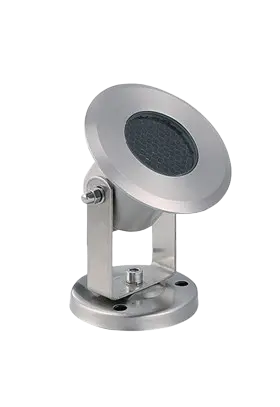
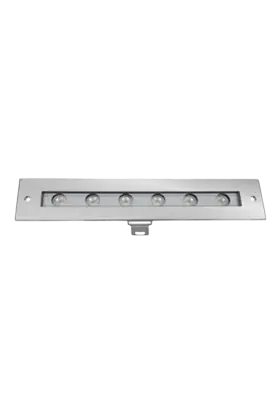
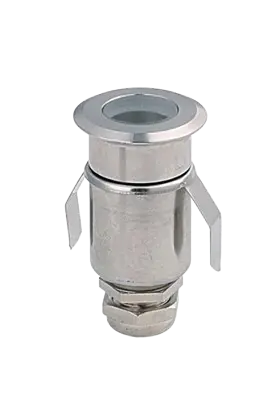
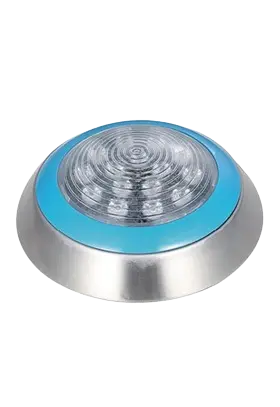
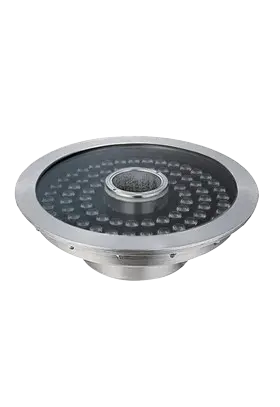
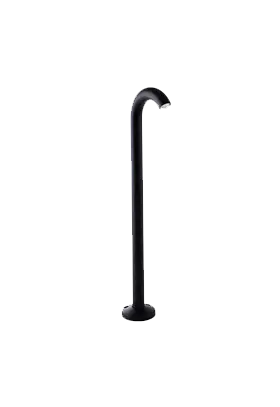
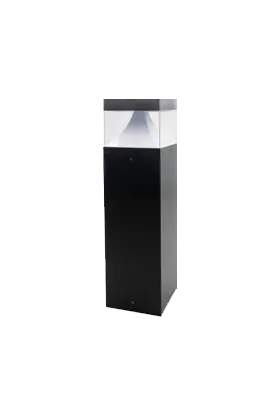
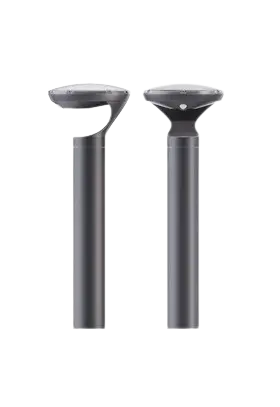
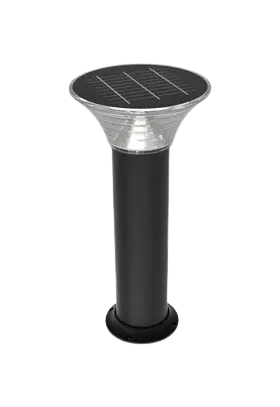

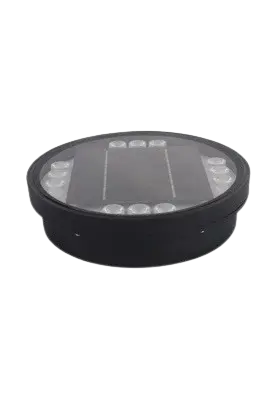
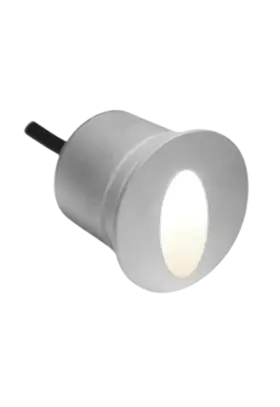
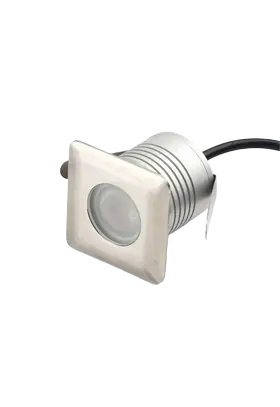
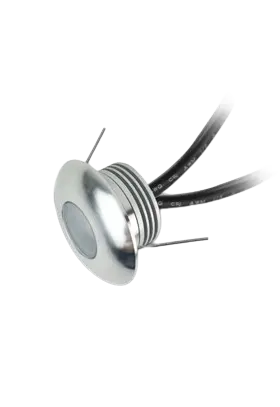
As outdoor LED lighting becomes ever more critical in security, landscape, architectural, and commercial projects, choosing the correct IP rating for your LED flood lights is not optional — it's essential for long-term durability, safety, and performance. As a leading Chinese LED lighting supplier, Hydget Lighting specializes in high-quality outdoor solutions, including LED flood lights with robust IP65 ratings that meet international standards like CE, RoHS, ETL, and FCC. In this guide, we'll break down everything you need to know to make an informed choice, drawing from expert insights and best practices.
"IP" stands for Ingress Protection (or International Protection), sometimes thought of as "waterproof rating." The IEC 60529 standard defines how well an enclosure resists ingress of solid particles (dust, dirt) and liquids (water, sprays, submersion).
First digit (0–6): Protection against solids and objects (dust, debris)
Second digit (0–9/9K): Protection against water, sprays, immersion
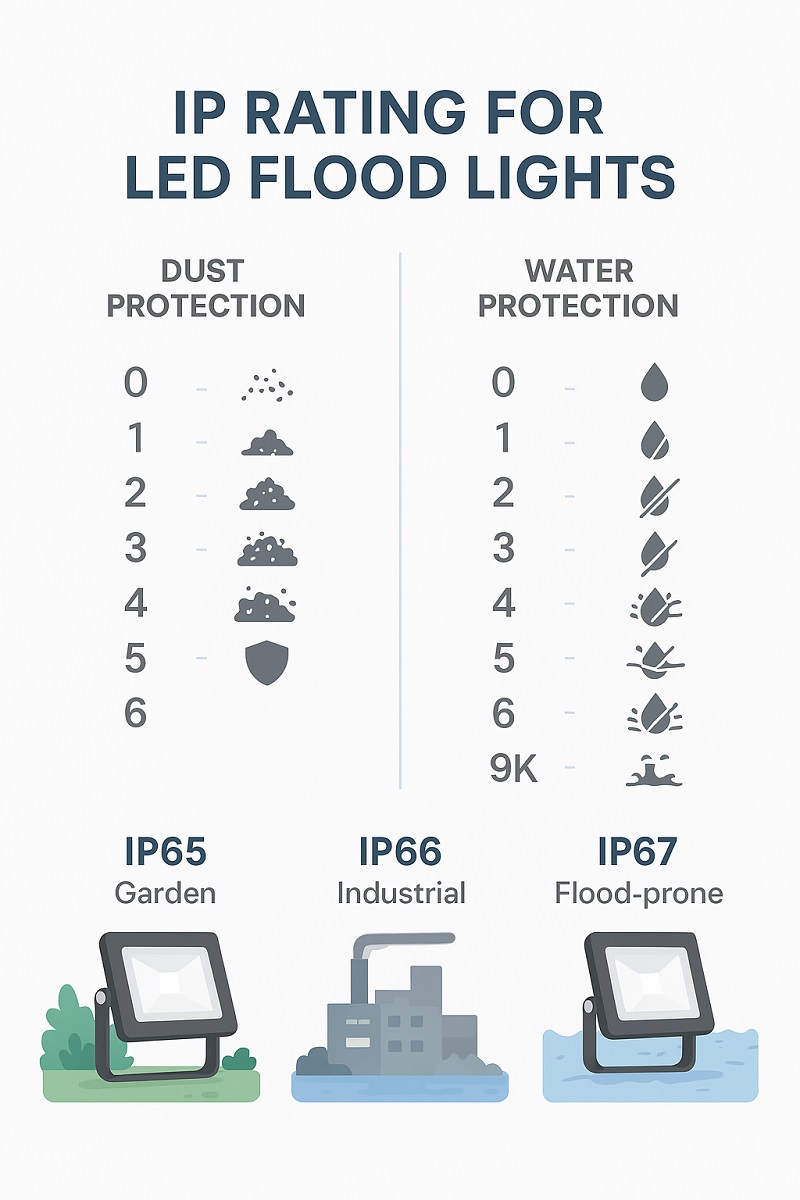
0: No protection.
1-4: Protection against larger objects (e.g., hands, tools, wires).
5: Limited dust ingress (some dust may enter, but it won't affect operation).
6: Completely dust-tight.
0: No protection.
1-3: Protection against dripping water or light splashes.
4: Splashes from any direction.
5: Low-pressure water jets (e.g., hose spray).
6: Powerful water jets (e.g., heavy rain or cleaning).
7: Temporary immersion (up to 1 meter for 30 minutes).
8: Continuous immersion (beyond 1 meter, as specified).
9: High-pressure, high-temperature jets.
For LED flood light wholesale, ratings starting from IP65 are common for outdoor use, offering a balance of dustproofing and waterproofing. Higher ratings like IP67 or IP68 provide extra safeguards for extreme conditions.
When you browse LED flood light china, you'll most often see IP54, IP65, IP66, or IP67. Rarely, for underwater or wash-down applications, IP68 or IP69K may appear.
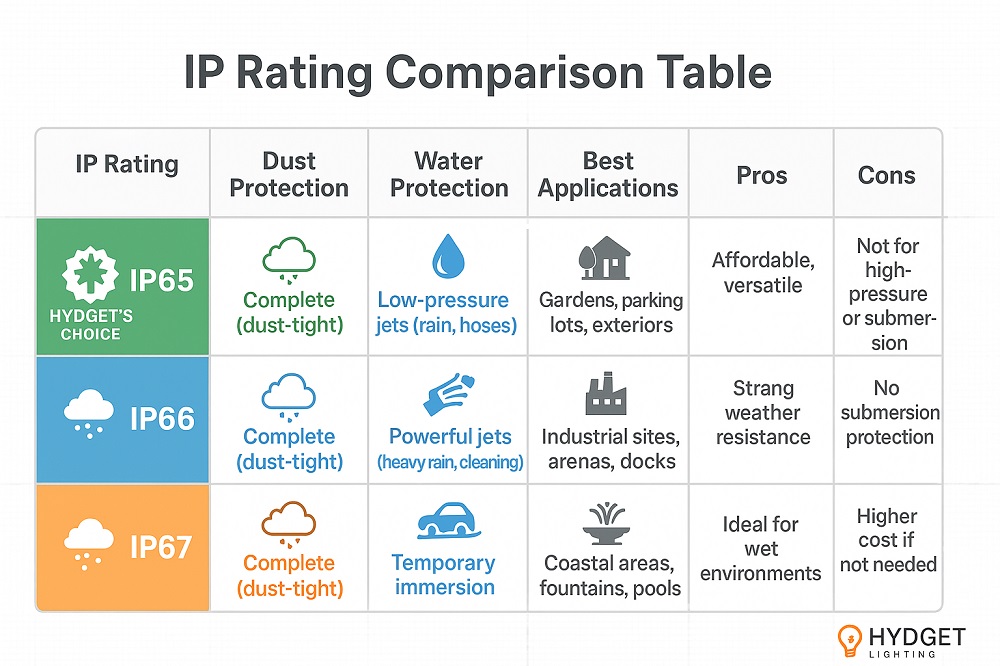
Here's a quick comparison and usage guide:
IP Rating | Dust / Solid Protection | Water / Liquid Protection | Typical Use Cases |
IP54 | Dust protected (some ingress, but no harm) | Splashing water from any direction | Semi-covered outdoor zones (awnings, eaves), areas with occasional spray but not direct rain |
IP65 | Dust tight (no ingress) | Low-pressure water jets | Most outdoor floodlight use — general gardens, driveways, building facades, security lighting |
IP66 | Dust tight | High-pressure water jets | More demanding outdoor environments, industrial settings, areas washed down with hoses |
IP67 | Dust tight | Immersion up to 1 m (typically 30 min) | Flood-prone zones, near fountains, docks, wet zones that may see temporary submersion |
IP68 / IP69K | Dust tight | Continuous submersion or high-pressure jets | Underwater lighting, extreme wash-down, harsh industrial/marine settings |
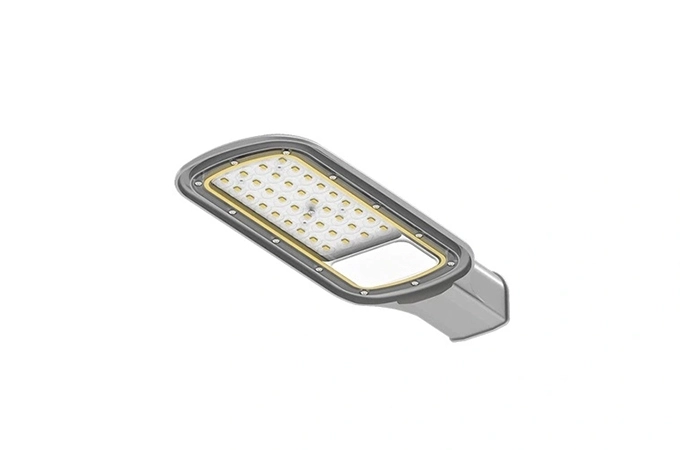
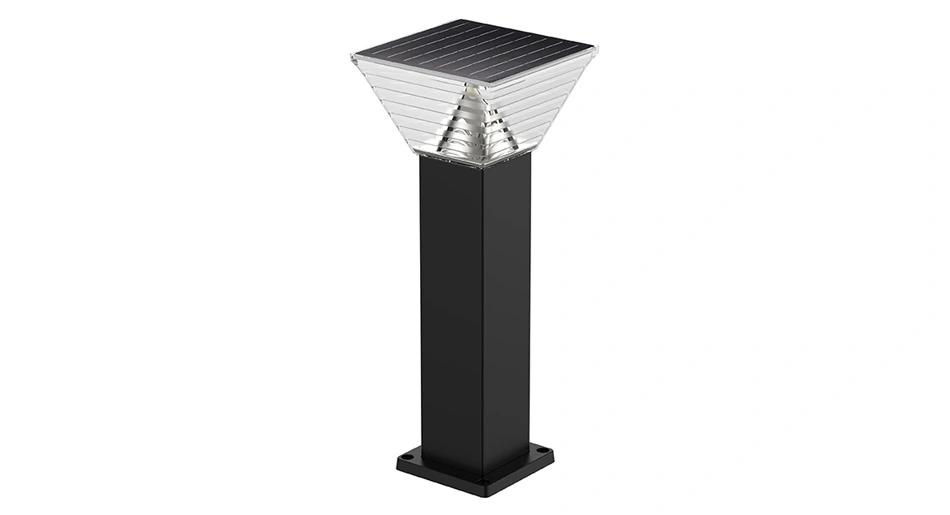
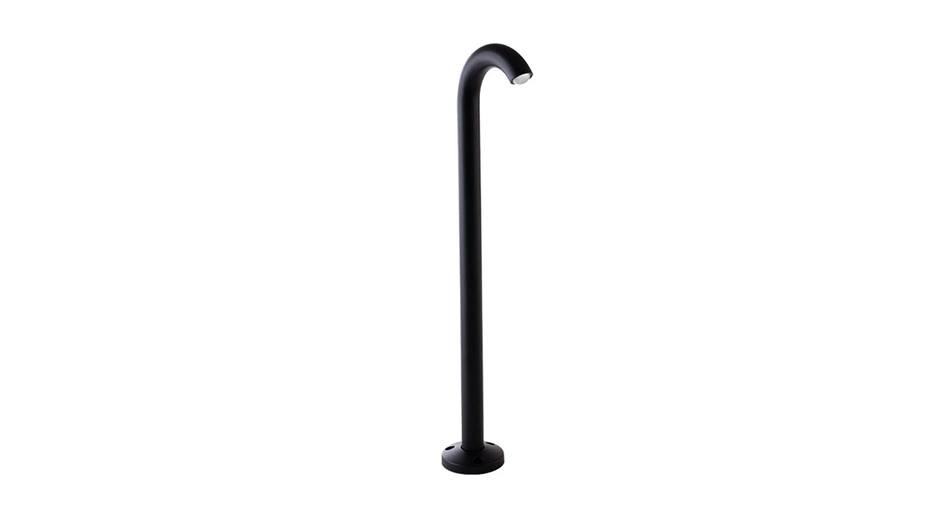
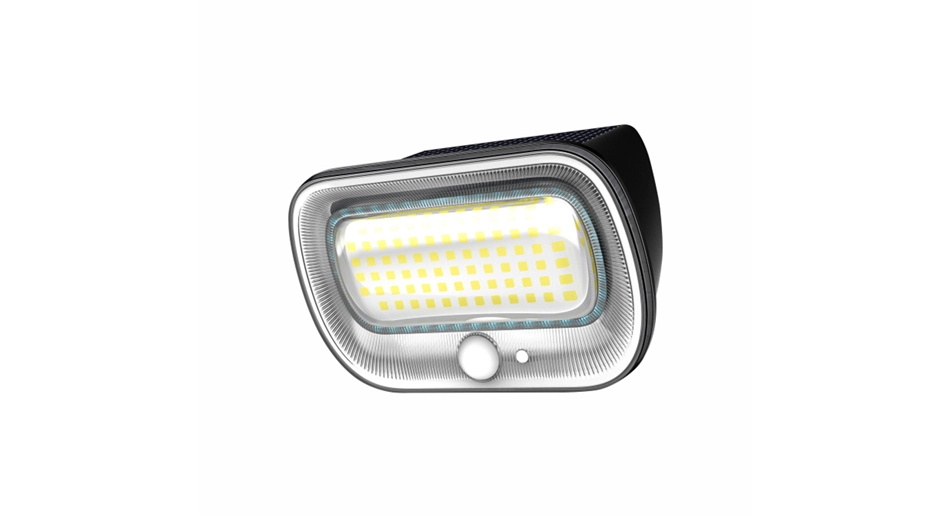
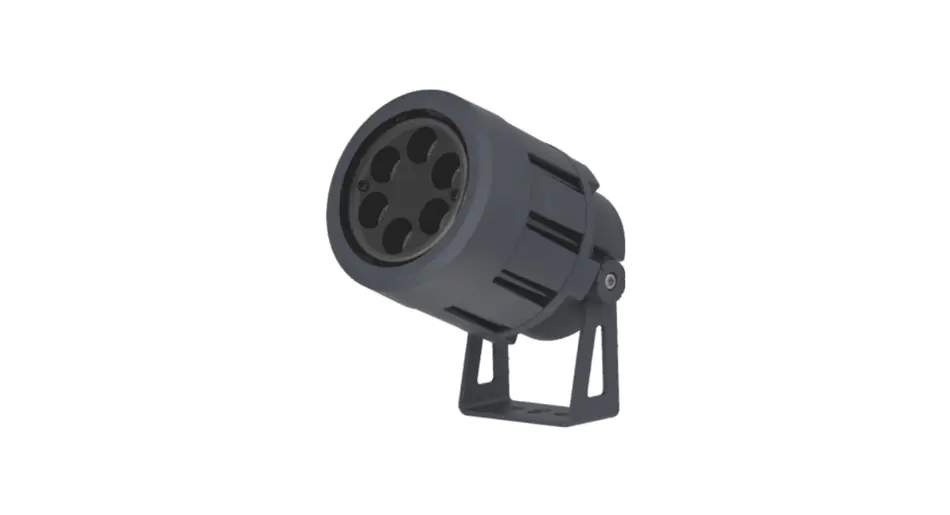
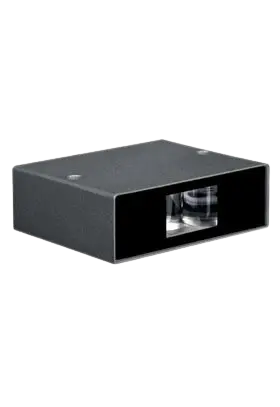
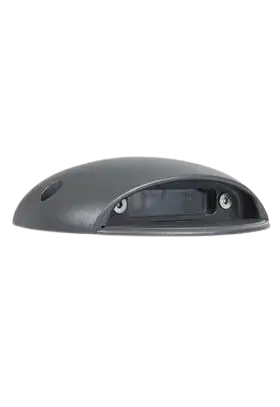
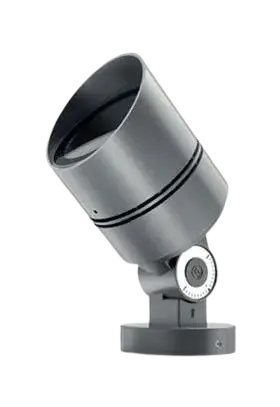
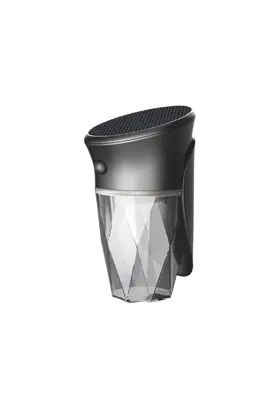
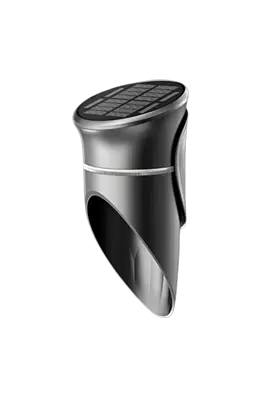
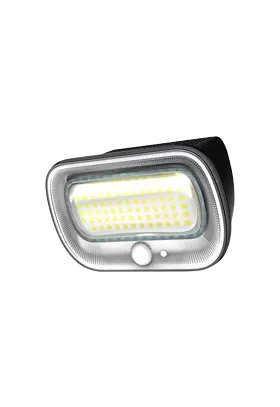
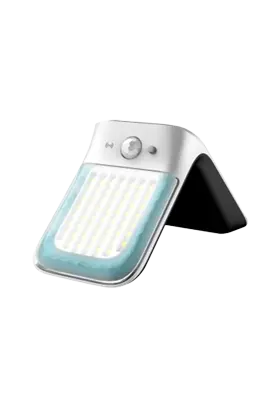
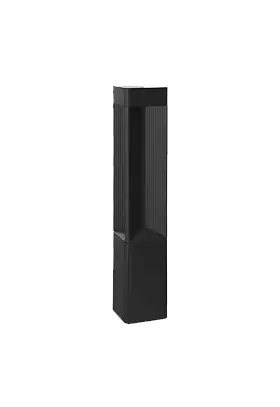
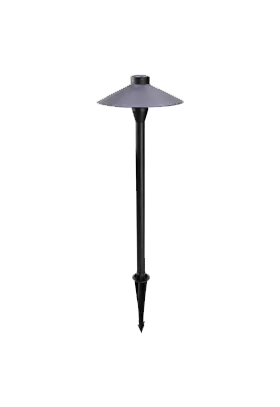
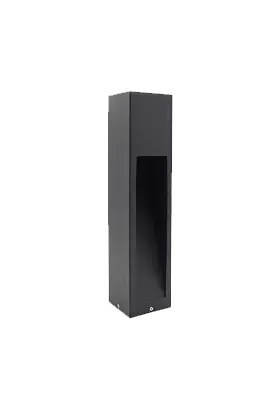
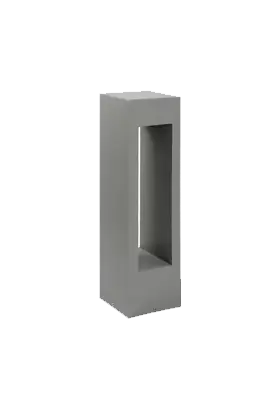
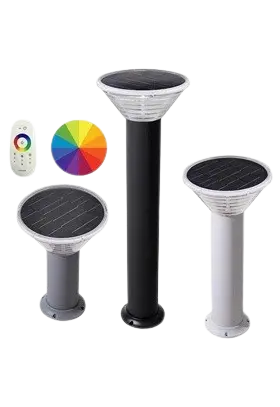
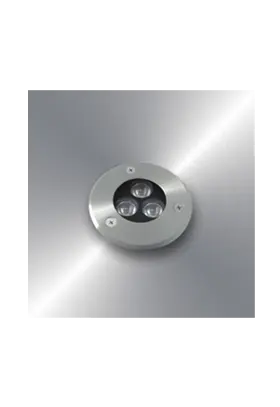
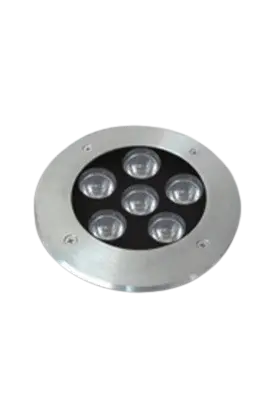
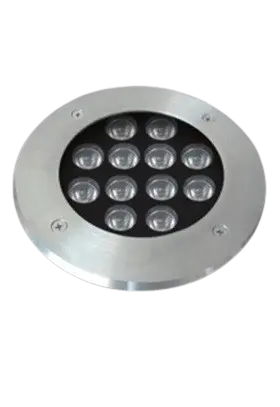
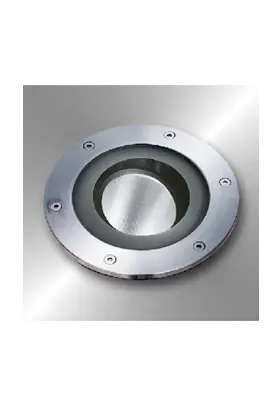
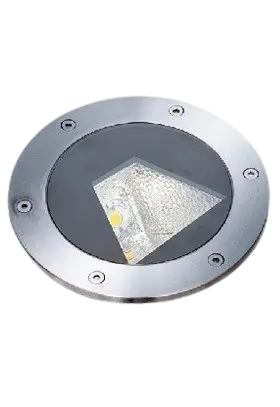
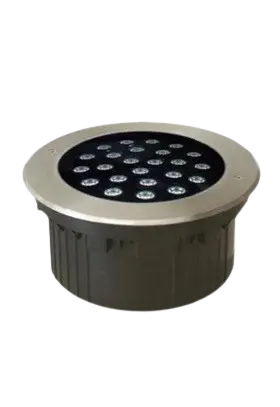
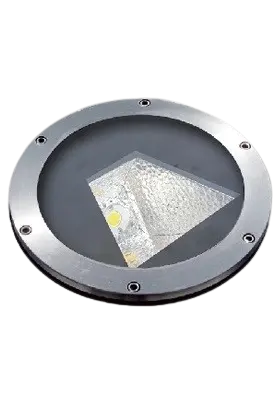
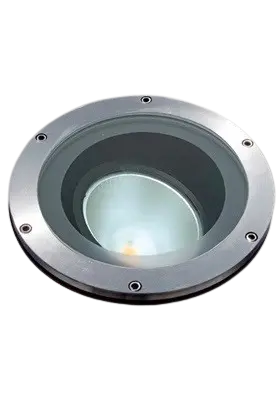
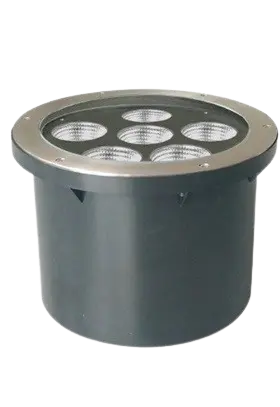
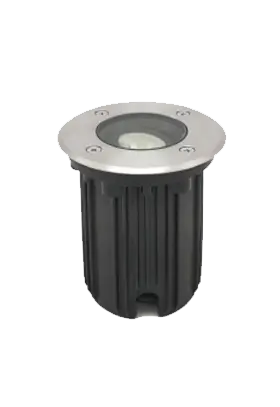
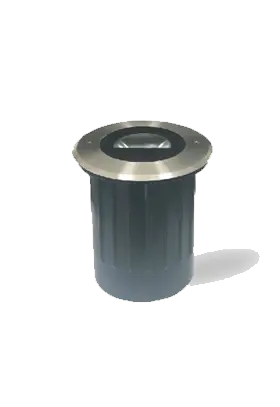
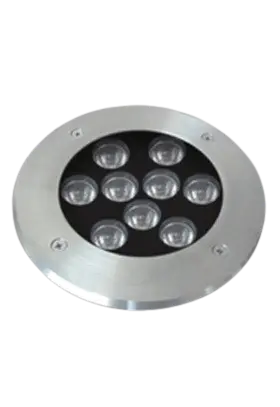
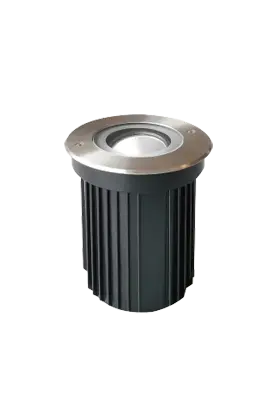
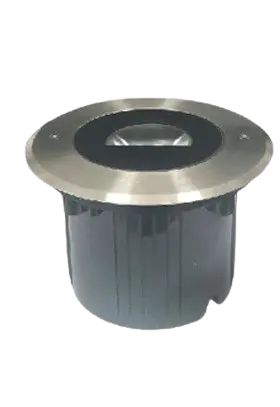
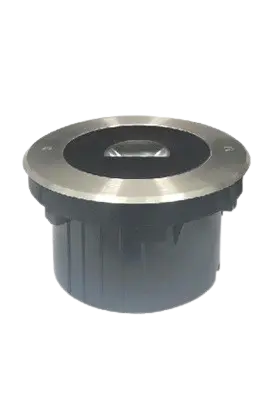
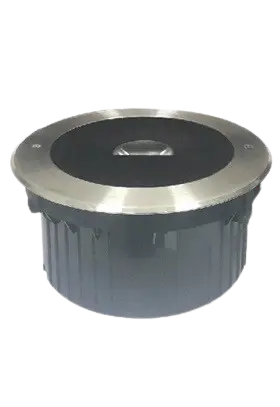
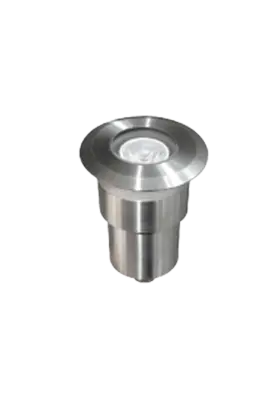
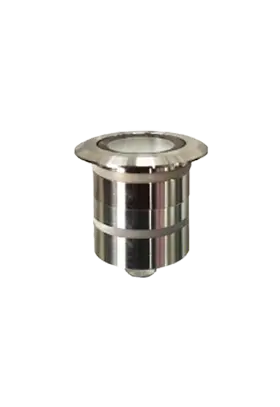
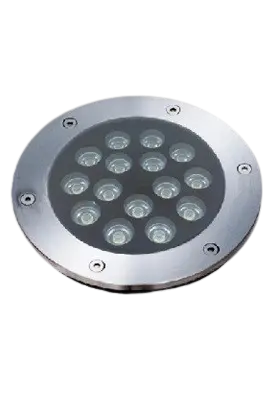
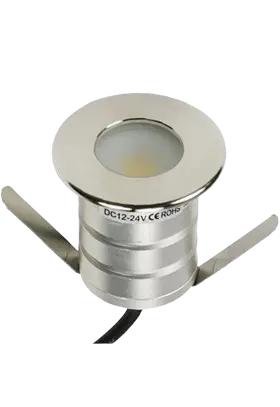
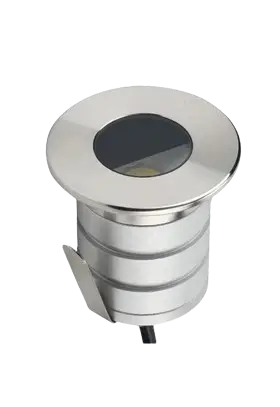
For most users, IP65 strikes the perfect balance for everyday outdoor LED flood lights, as seen in Hydget Lighting's range, which includes the pole mounted flood light, inground flood light, and ground flood light—all rated IP65 for reliable performance in diverse applications.
To pick the optimal IP rating, work through these considerations:
1. Assess the environmental exposure
Rain, snow, wind: If the fixture faces direct rainfall or wind-driven water, prefer at least IP65 or IP66.
Splash and spray: Near sprinklers, car wash spray, or wash-down zones — a higher water rating is helpful.
Flooding/immersion risk: If there's risk of temporary flooding (pool overspill, dockside, low-lying ground), IP67 or higher is safer.
Dust, dirt, pollution: Very dusty or sandy locales (desert, mining, coastal sand) argue for "dust tight" first digit, i.e. 6.
Saltwater/marine environment: Add corrosion toughness / coatings in addition to IP rating, especially near coasts.
2. Determine installation location & orientation
Ground-level or low mounting: More exposure to dust, spray, ground splash. IP65 is usually suitable; in harsher spots, IP66.
High-mount poles/facades: Subjected to wind-blown dust, rain directionality — IP66 is safer.
Under eaves/partial covering: Might allow a lower IP (e.g. IP54) if shielded — but risk changes with climate.
Near water features/pools: Consider IP67+ for immersion tolerance.
3. Match to application purpose & maintenance expectations
Decorative/accent lighting: Lower cost, moderate IP may suffice.
Security/safety/signage lighting: Prioritize reliability; lean to IP66 or IP67.
Industrial or wash-down zones: High-pressure cleaning requires IP66+ or even IP69K.
Expect minimal maintenance: Going "higher than needed" often increases lifetime.
4. Factor in cost, trade-offs & diminishing returns
While higher IP ratings offer more protection, they also tend to increase cost (in materials, seals, testing). If your environment does not demand extreme protection, over-specification may not be cost-effective.
5. Use certified products & independent verification
Ensure the fixture is tested under IEC 60529 or equivalent standards. Check that the manufacturer's test certificate (or datasheet) supports the claimed rating. Hydget Lighting's products are certified and exported worldwide, with custom options available upon request.
Given your product portfolio (pole-mounted, inground, ground flood lights) and target applications (roadway, landscape, commercial, smart lighting systems), here are some practical guidelines for Hydget Lighting:
Baseline outdoor floodlights: Design for IP65 as the minimum. This balances protection and cost for general outdoor exposure.
Severe weather or industrial zones: Offer IP66 as an upgrade option (e.g. for coastal, factory, stadium, or commercial wash-down settings).
High-risk zones near water or occasional submersion: Provide IP67 models (e.g. for docks, fountains, low-ground mount).
Smart floodlight products: Since they may have added control electronics and junctions, it's prudent to ensure internal cable routing and connectors uphold or exceed the IP enclosure rating.
Custom options: For clients with extreme environments, consider IP68 or even hybrid "marine + salt spray + high IP" versions.
Q: Does a higher IP rating always mean better longevity?
A: Not necessarily — the fixture's overall build quality, sealing, corrosion resistance, and how well maintenance is done also matter significantly.
Q: Can IP ratings degrade over time?
A: Yes. Exposure to UV, temperature cycles, gasket aging, or mechanical stress may degrade seals, so periodic inspection is needed.
Q: Should I overspecify (choose the highest IP) "just to be safe"?
A: Over-specifying has diminishing returns and extra cost. Choose based on the actual environment, not just "better is always good."
Q: Is IP66 Better Than IP65?
A: IP66 offers protection against stronger water jets, making it better for industrial or heavy-rain environments, but IP65 is sufficient and more cost-effective for standard applications.
Choosing the right IP rating for LED flood lights is a balance between protection, cost, and real-world conditions. As a leading LED lighting supplier, Hydget Lighting recommends offering IP65 as your standard for general outdoor use, and IP66 / IP67 as upgrade options for harsher or water-exposed environments.
By understanding how the IP rating system works, assessing your own site conditions, and selecting certified, properly sealed fixtures, you can ensure your lighting installation performs reliably and safely for years to come.
If you'd like to explore specific Hydget flood light models (pole, inground, ground) with IP ratings, or request a custom waterproof version, I'd be happy to help you prepare optimized product pages or specs.