
What are you looking for?

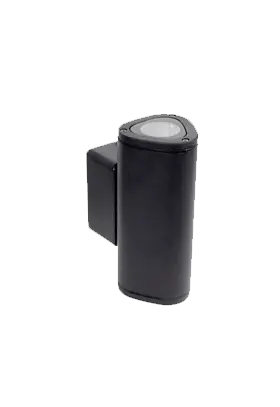
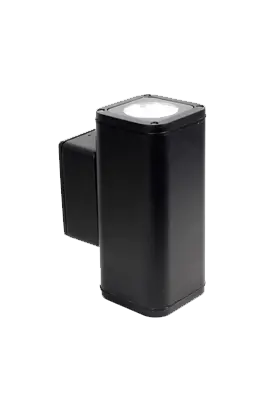
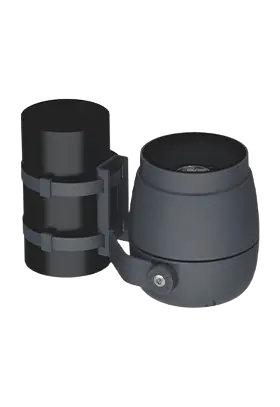
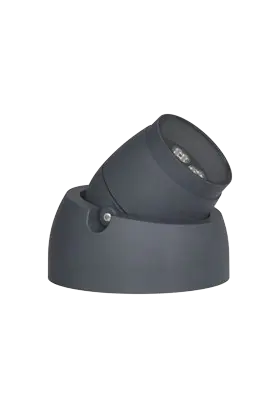
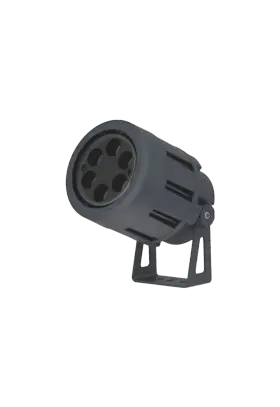
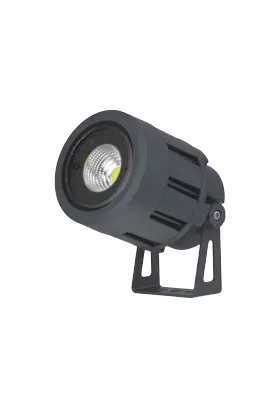

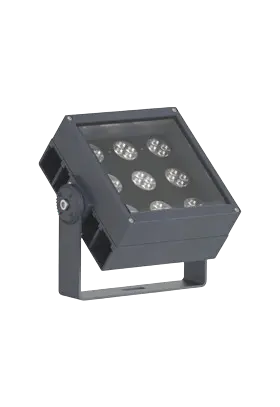
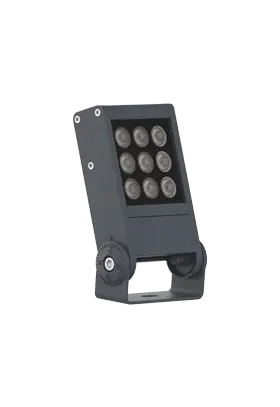

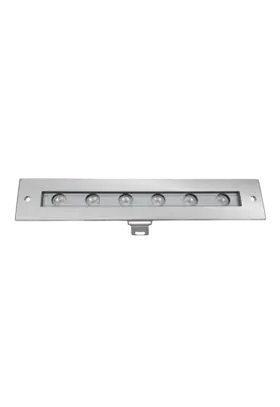
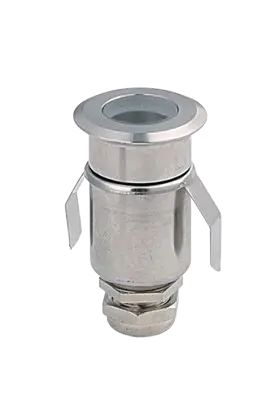
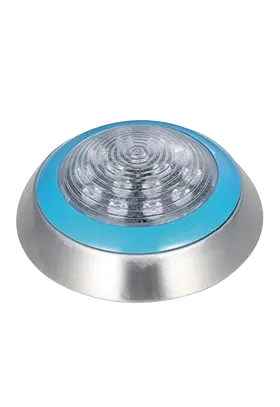
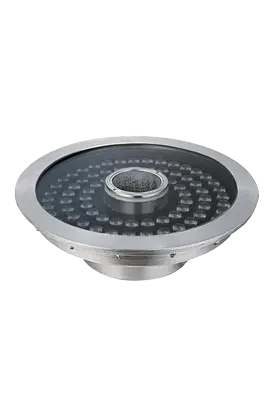
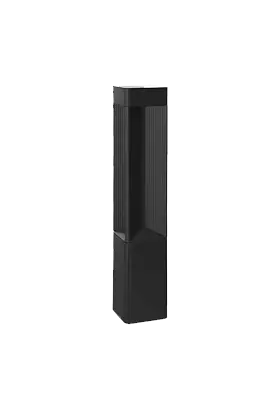
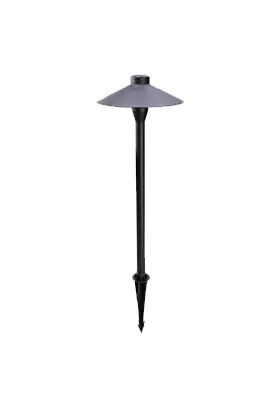
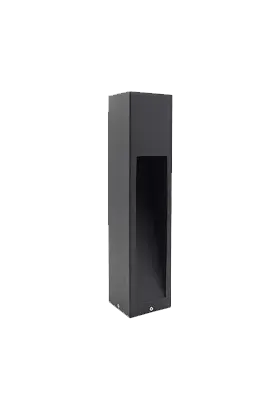
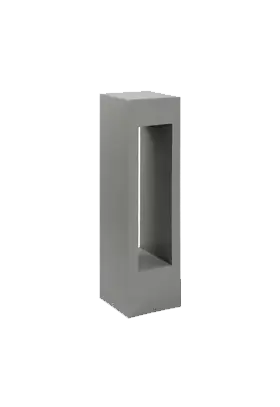
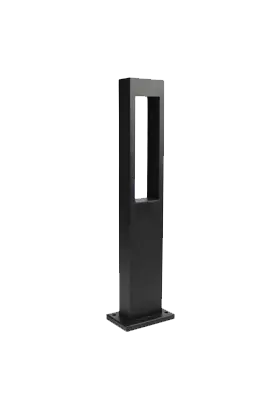
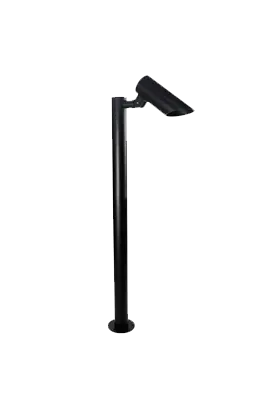
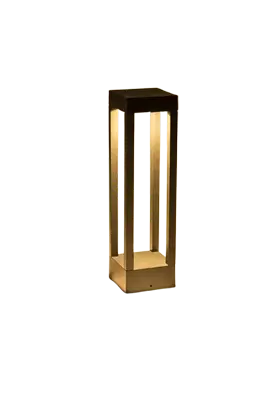
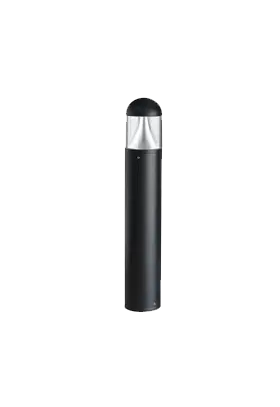

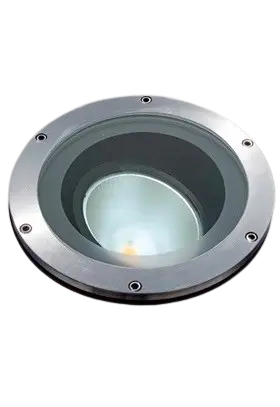
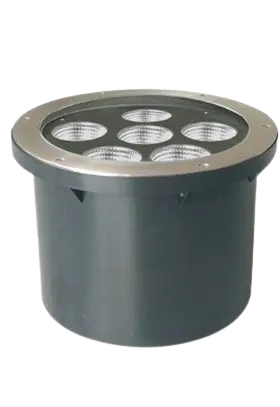
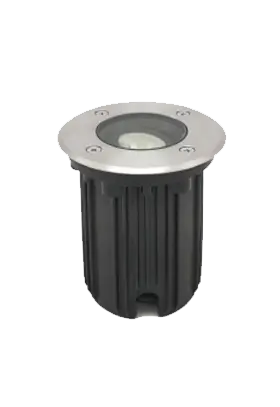
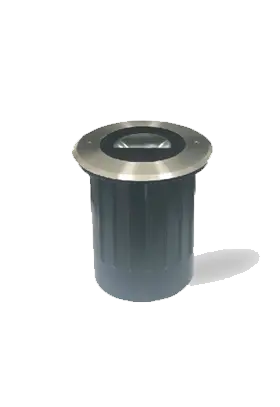
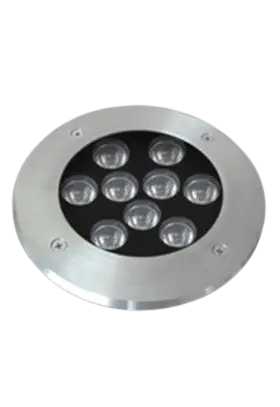
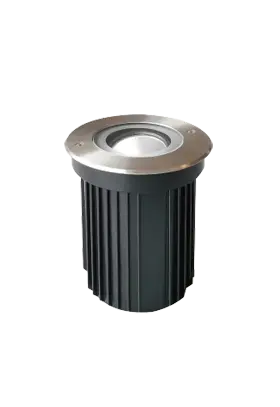
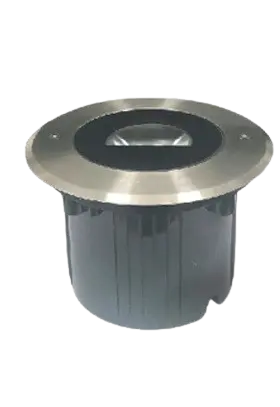
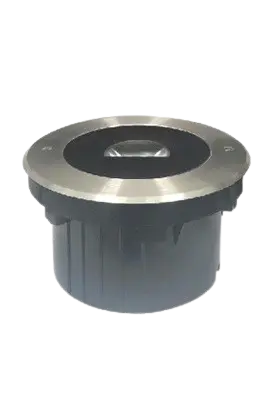
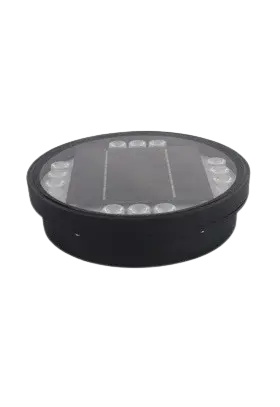
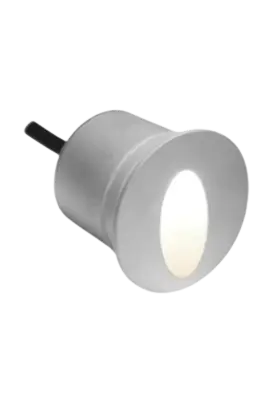
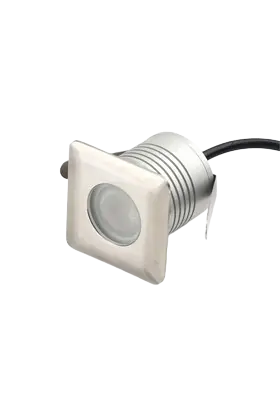
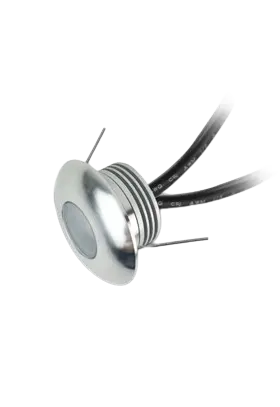
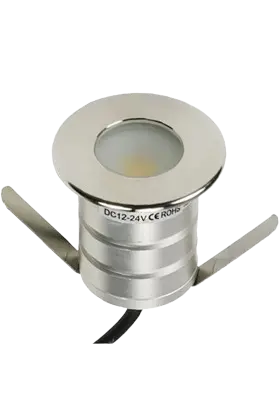
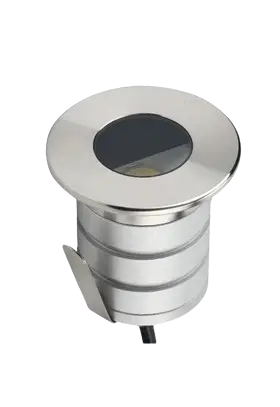
In outdoor lighting design, choosing the right optical performance is just as important as selecting the right fixture. For commercial landscapes, architectural projects and public spaces, the beam angle determines how light is distributed, how objects are highlighted and how comfortable the environment feels.
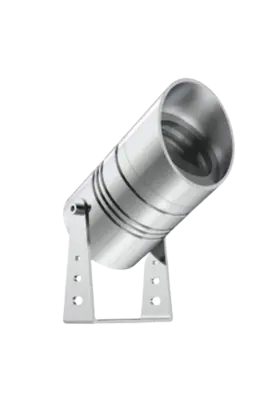
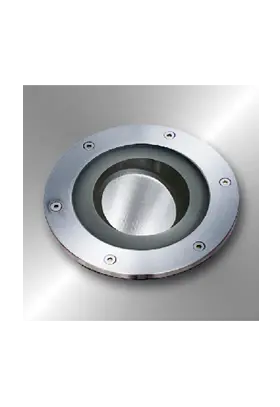
A ground light with adjustable beam angle provides greater flexibility for different applications because it allows designers to control the direction and coverage of illumination. Instead of using a fixed lighting pattern for every situation, adjustable beam solutions help create more precise lighting effects for walkways, buildings, landscapes and urban spaces.
Understanding beam angle and glare control is essential for lighting designers, contractors and distributors who need reliable outdoor lighting solutions with both visual performance and long-term durability.

Beam angle refers to the angle at which light spreads from a fixture. It directly affects lighting coverage, brightness distribution and the visual effect of an outdoor space. A narrow beam creates focused illumination, while a wider beam provides broader coverage.
For example, a 15° beam angle is often used for highlighting tall structures or landscape features because it produces concentrated light with a longer projection distance. A 36° or 60° beam angle is more suitable for pathways and open areas where balanced illumination is required.
The growing demand for a ground light with adjustable beam angle comes from the increasing complexity of commercial lighting projects. Hotels, shopping centers, parks and architectural landscapes often contain different elements that require different lighting approaches. Adjustable beam technology allows one fixture design to support multiple lighting effects, improving project flexibility and reducing the need for different product types.
When selecting outdoor lighting, designers should consider not only brightness but also the relationship between beam angle, installation distance and the target surface. A suitable optical design can improve lighting efficiency while reducing unnecessary glare and energy waste.
Different environments require different beam distributions. Selecting the correct beam angle helps achieve the desired visual effect while maintaining comfortable illumination.
Walkways: Pathways usually require uniform lighting rather than strong highlights. Medium beam angles can provide sufficient coverage and improve pedestrian safety.
Building facades: Architectural surfaces often need narrow or adjustable beams to emphasize structural details, textures and design features.
Trees and landscapes: Landscape lighting requires flexibility because tree sizes and positions vary. Adjustable beam solutions allow designers to highlight different elements effectively.
Public plazas: Large open areas generally benefit from wider beam angles to create consistent brightness across the space.
Driveways: Outdoor vehicle areas require practical illumination with controlled distribution to avoid excessive glare for drivers.
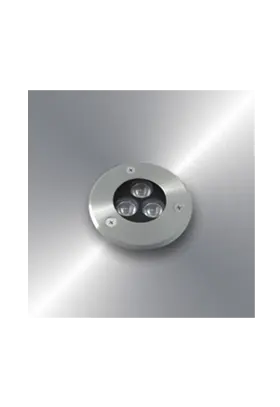
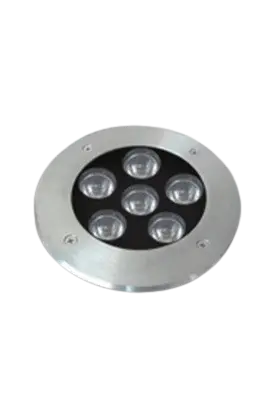
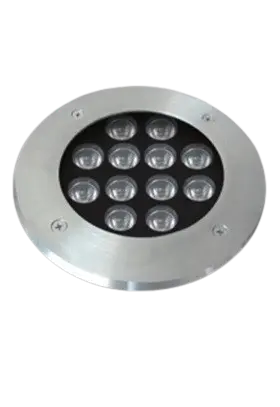
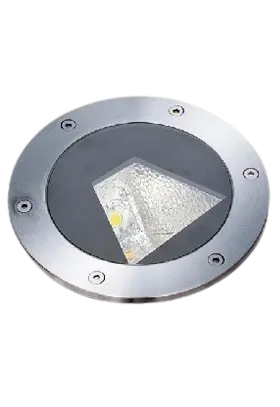
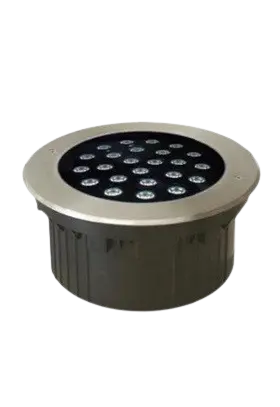
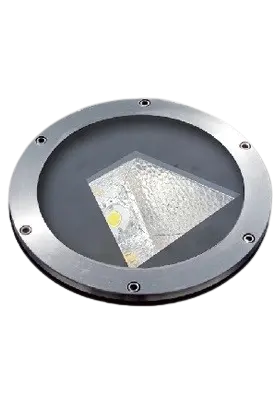
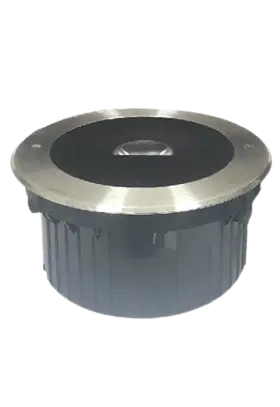
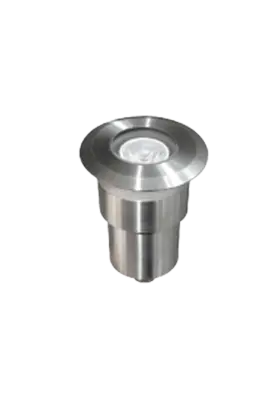
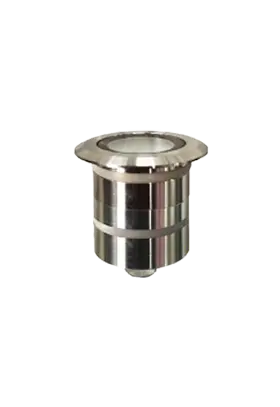
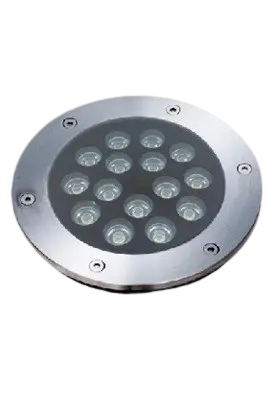
For these applications, led inground lights are commonly selected because they provide a clean installation appearance while offering strong outdoor performance. By combining suitable beam angles with proper installation planning, commercial projects can achieve both functional and decorative lighting effects.
The best beam angle depends on the lighting purpose. Narrow beams are ideal for accent lighting, while wide beams are better for general illumination. There is no universal “best” option because different commercial environments have different requirements.
| Beam Angle | Typical Use | Lighting Effect |
|---|---|---|
| 15° | Columns / Trees | Strong Accent |
| 24° | Building Details | Focused Lighting |
| 36° | Walkways | Balanced Coverage |
| 60° | Open Areas | Wide Uniform Lighting |
Narrow beam lighting provides a longer throw distance and stronger visual focus, making it suitable for highlighting architectural features. However, incorrect use may create uneven brightness or strong contrast.
Wide beam lighting improves uniformity and reduces dark areas, but it may require higher output or more fixtures to achieve the same visual impact. For commercial projects, designers often evaluate throw distance, glare risk and energy efficiency together before selecting the final beam angle.
Glare control is an important part of professional outdoor lighting design. Even a high-quality fixture can create an uncomfortable environment if the light source is directly visible or poorly controlled.
Effective glare reduction usually involves several design approaches. Shielded optics help direct light only toward the intended area, while recessed light sources reduce direct visibility of the LED module. Honeycomb louvers and anti-glare lenses can further improve visual comfort by controlling excessive light angles.
In commercial landscapes, glare control is especially important for hotels, pedestrian areas, public spaces and architectural lighting projects. Excessive glare can reduce visual comfort and negatively affect the overall experience.
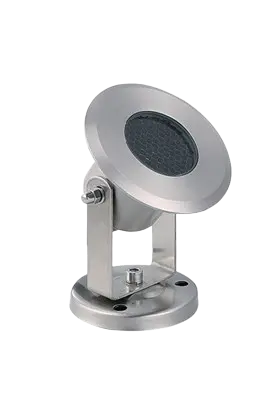
Material selection also influences long-term optical performance. A stainless steel inground light offers excellent durability in outdoor environments because stainless steel provides corrosion resistance and structural strength. Combined with effective heat dissipation and waterproof construction, it helps maintain stable lighting performance in demanding applications.
For professional outdoor lighting projects, choosing a supplier with strong optical design capability can improve both installation results and long-term reliability.
Hydget Lighting provides outdoor lighting solutions designed for commercial landscapes, architectural applications and engineering projects. The company supports customers with:
Adjustable beam angle solutions for flexible lighting design
Anti-glare optical structures for improved visual comfort
Stainless steel housing options for durable outdoor applications
OEM and ODM support for customized project requirements
Experience in commercial lighting applications
Technical assistance for different installation environments
With a focus on optical performance, product reliability and application flexibility, Hydget Lighting helps partners develop outdoor lighting systems that meet modern project requirements.
It depends on the application. Narrow beams suit accent lighting, while wider beams are better for general area illumination.
It allows designers to change light distribution based on different objects, distances and project requirements.
Glare usually results from exposed light sources, improper beam direction or unsuitable fixture placement.
Using shielded optics, recessed designs and anti-glare accessories can improve lighting comfort.
They provide strong corrosion resistance and durability for long-term outdoor installation.
Hydget Lighting provides customizable solutions, optical expertise and reliable support for commercial lighting applications.