
What are you looking for?
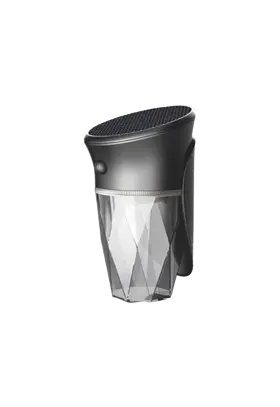
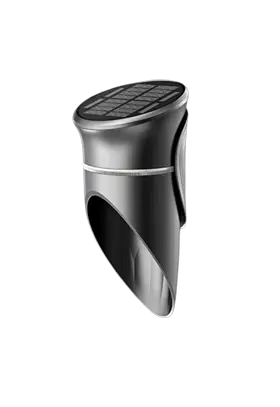

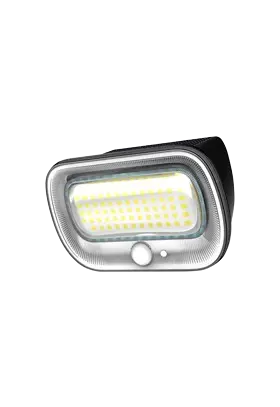
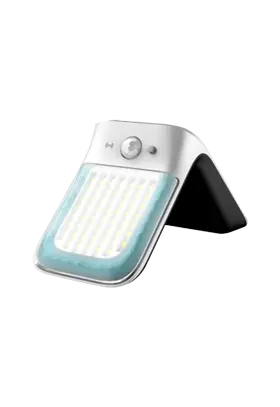
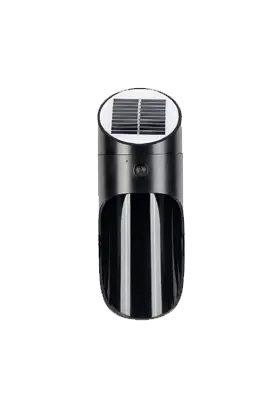
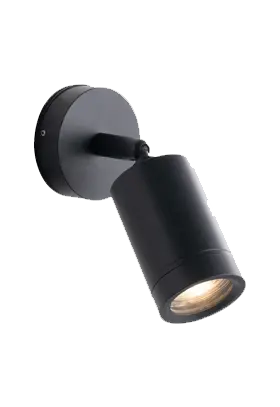
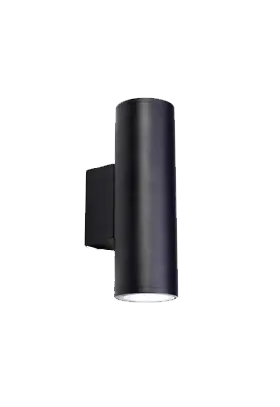
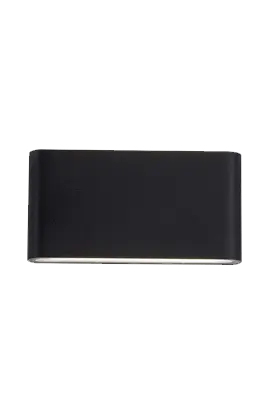
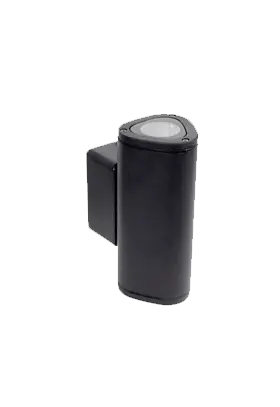
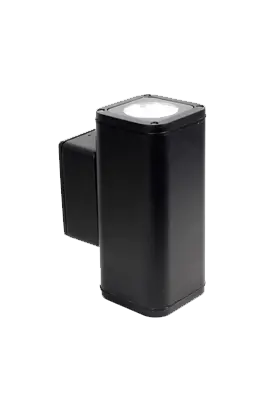
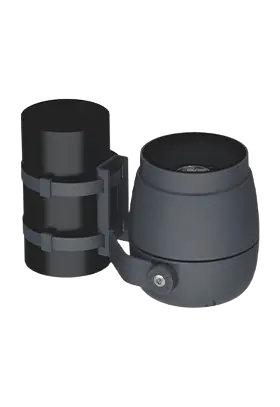


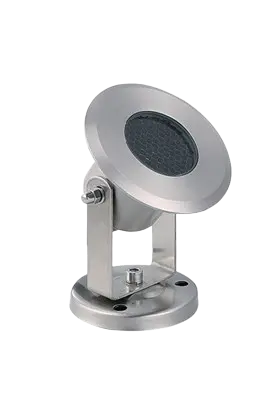
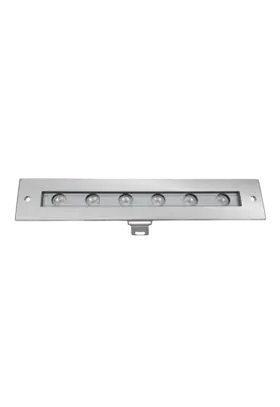
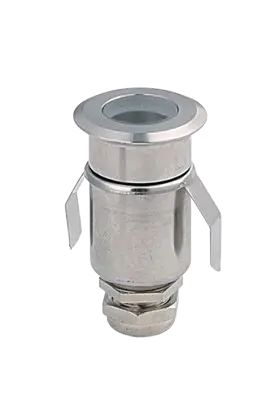
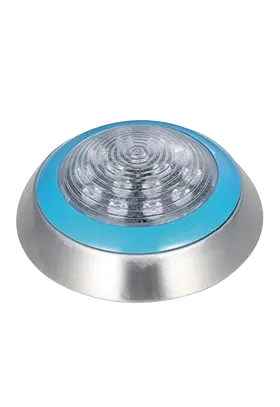
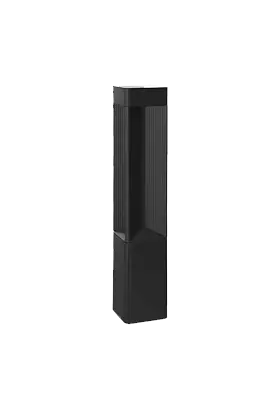
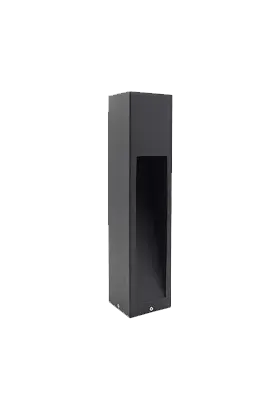
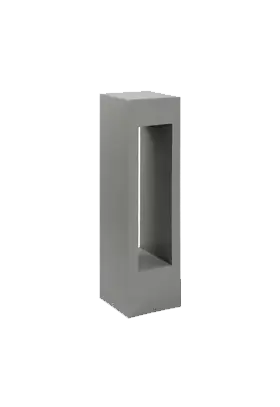
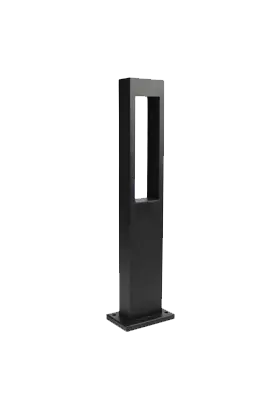
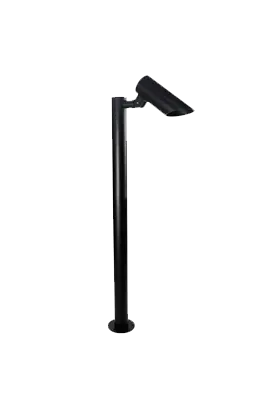
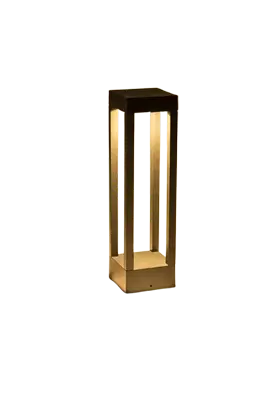
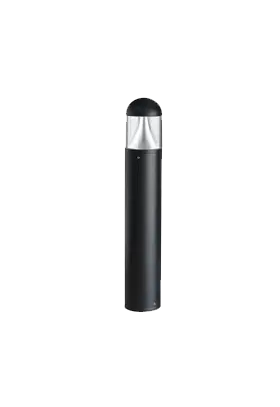
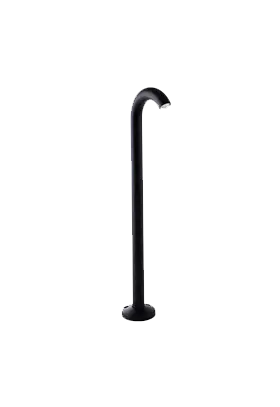
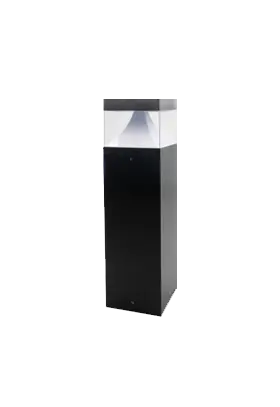
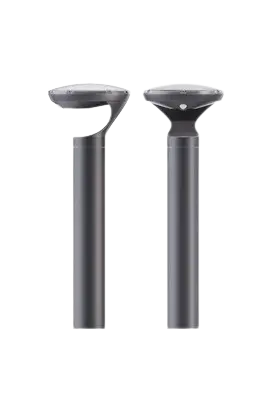
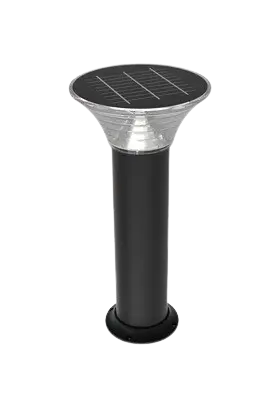
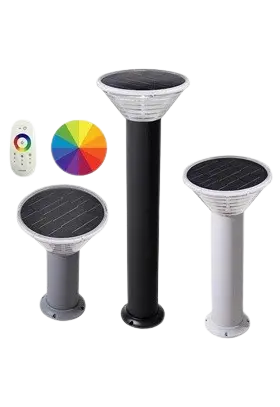

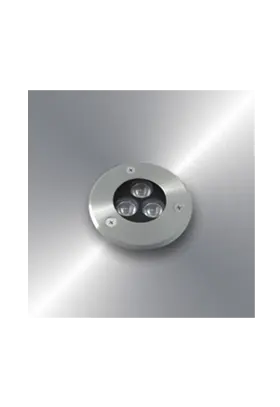
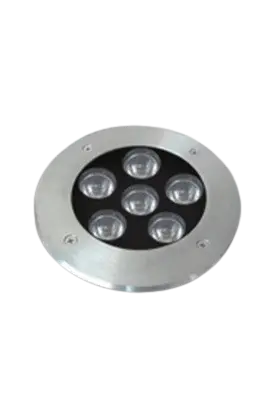
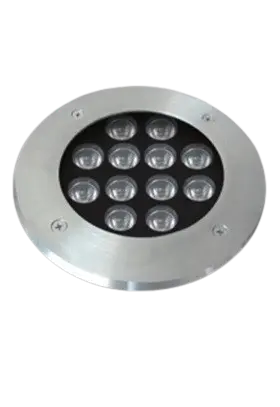
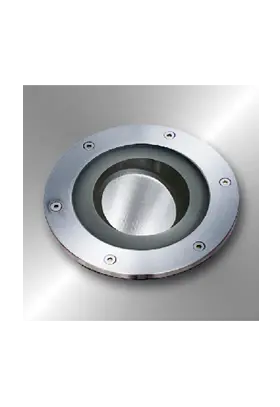
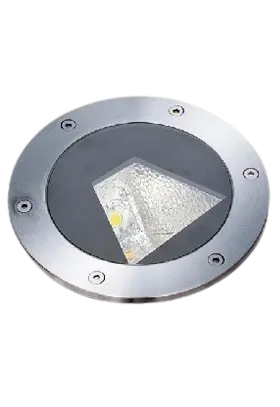
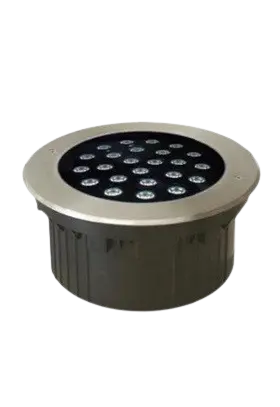
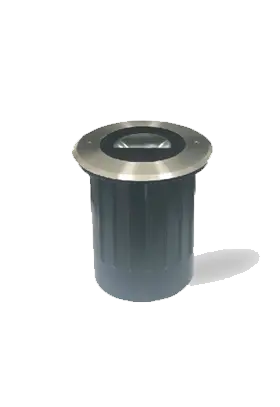
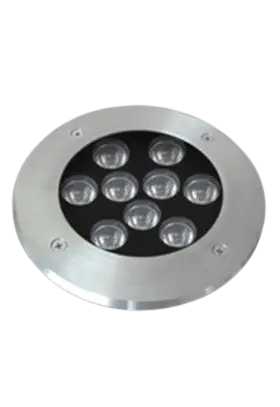
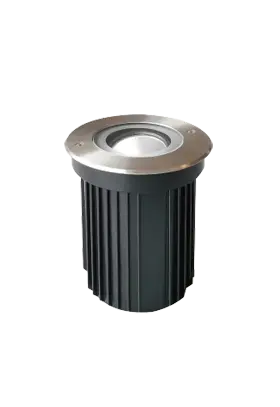
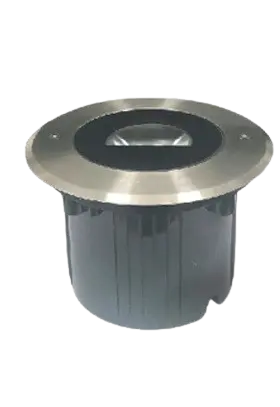
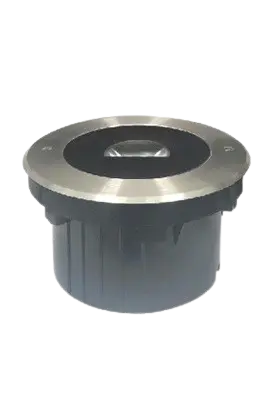
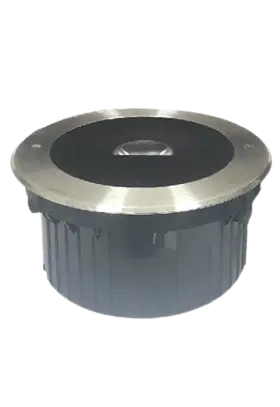
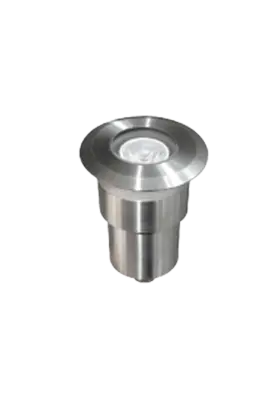
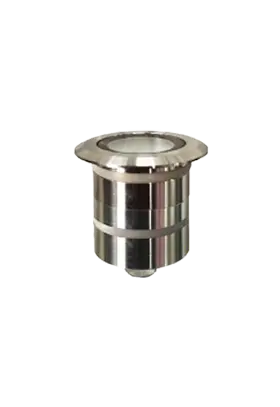
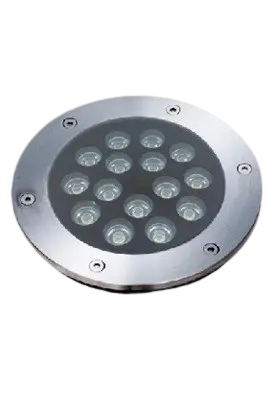
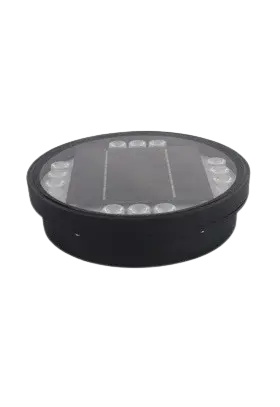
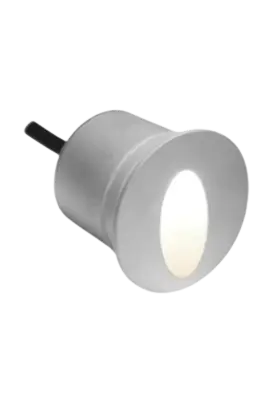
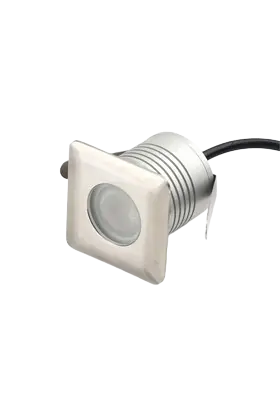
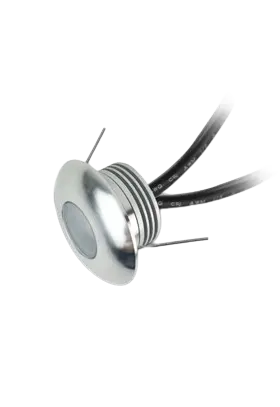
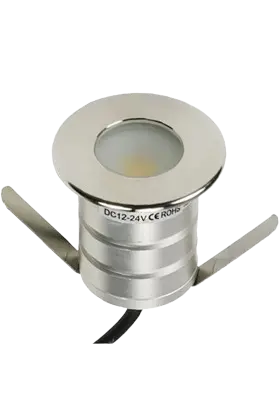
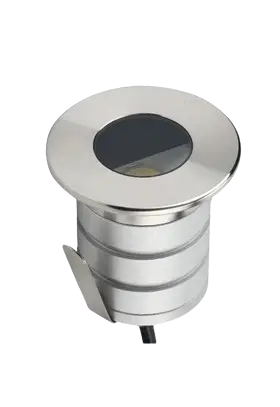
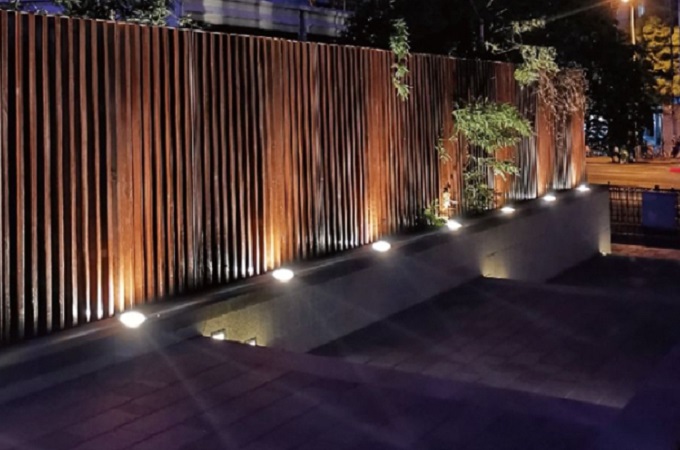
Outdoor lighting design requires more than selecting attractive fixtures. For commercial landscapes, residential communities, hotels and public spaces, the installation height and spacing of lighting products directly influence visibility, safety and overall visual comfort. Among different outdoor lighting solutions, led bollard lights are widely used because they provide efficient pathway illumination while maintaining a clean and modern appearance.
Choosing the correct height and distance between fixtures helps achieve balanced lighting distribution, reduce dark areas and improve the user experience. For lighting designers, contractors and project purchasers, understanding these factors is essential when planning professional outdoor lighting systems.

The height and spacing of a bollard light determine how evenly light is distributed across a pathway or landscape area. If fixtures are installed too far apart, gaps and uneven brightness may appear. If they are positioned too closely, the lighting effect may become excessive and increase project costs.
A properly designed led bollard lights layout improves several important aspects of outdoor environments. First, it enhances pedestrian safety by providing consistent illumination along walkways, entrances and public areas. Second, it improves visual comfort by controlling glare and avoiding harsh lighting contrasts. Third, it helps highlight landscape features, architectural elements and commercial spaces without creating unnecessary light pollution.
For commercial projects such as hotels, shopping centers, parks and urban developments, lighting designers usually consider factors including pathway width, mounting height, beam distribution, surrounding structures and expected pedestrian activity. The goal is not simply to increase brightness but to create a comfortable and functional lighting environment.
Different outdoor applications require different lighting approaches. The ideal fixture height, spacing and optical design depend on the purpose of the area and the expected lighting effect.Common application considerations include:
Walkways: Pathways usually require comfortable and uniform illumination. Lower-height fixtures can create a soft lighting atmosphere while guiding pedestrians safely.
Parks and gardens: Landscape areas often use decorative lighting designs. Modern bollard lights with controlled light distribution can enhance trees, plants and public spaces.
Hotels and resorts: Entrance areas and outdoor leisure zones require a balance between elegance and functionality. A well-designed layout can improve the guest experience.
Commercial plazas: Larger open areas may need higher fixtures and wider spacing to achieve sufficient coverage while maintaining a premium appearance.
Residential communities: Outdoor lighting should focus on safety, energy efficiency and long-term reliability.
Environmental conditions should also be considered during product selection. For outdoor installations exposed to rain, humidity or coastal environments, a waterproof bollard light with reliable protection performance can help reduce maintenance requirements and extend service life.
There is no single installation standard suitable for every project. The final design depends on the application, fixture performance, light distribution and surrounding environment. However, the following ranges are commonly used as a reference for outdoor lighting planning.
| Application | Recommended Height | Recommended Spacing |
|---|---|---|
| Walkways | 600–800 mm | 3–5 m |
| Parks | 800–1000 mm | 4–6 m |
| Hotels | 800–1000 mm | 4–5 m |
| Commercial Plazas | 1000 mm | 5–7 m |
| Residential Areas | 600–800 mm | 3–4 m |
For professional outdoor bollard lighting projects, these values should be adjusted according to actual site conditions. Factors such as pathway width, surface materials, surrounding buildings and required illumination levels all affect the final spacing plan.
Height and spacing are only part of a successful outdoor lighting design. Other technical factors also influence the final lighting result.
Beam angle is one of the most important considerations. A wider beam angle can provide broader coverage for open areas, while a narrower beam angle may be more suitable for highlighting specific landscape elements. The right optical design helps improve efficiency and reduce unnecessary light loss.
Light distribution and color temperature also affect the atmosphere of outdoor spaces. Warm lighting is often preferred for hospitality and landscape applications because it creates a comfortable environment, while neutral lighting may be selected for commercial pathways where visibility is more important.
Protection rating is another key factor. Outdoor fixtures must withstand rain, dust and temperature changes. Selecting products with appropriate IP protection helps ensure stable operation in different climates. Material selection, heat dissipation design and energy efficiency also influence long-term maintenance costs.
For projects requiring reliable outdoor performance, choosing durable materials and professional LED solutions can significantly improve the overall return on investment.
Selecting the right lighting supplier is an important step for commercial projects. Beyond product appearance, buyers need consistent quality, technical support and reliable supply capability.
Hydget Lighting provides professional outdoor lighting solutions designed for different architectural and landscape applications. The company supports projects with:
A wide range of outdoor lighting designs for different environments
OEM and ODM capabilities for customized project requirements
Durable waterproof structures suitable for outdoor conditions
Experience supporting commercial and landscape lighting applications
Quality control processes and technical assistance
With solutions covering pathway lighting, landscape illumination and commercial outdoor applications, Hydget Lighting helps partners develop reliable lighting systems that meet both aesthetic and functional requirements.
Most pathway applications use fixtures around 600–1000 mm high, depending on the required lighting effect and project type.
Spacing is commonly between 3–7 meters, but the final distance depends on fixture output, beam angle and site conditions.
Yes. Modern designs are widely used in hotels, plazas, parks and commercial landscapes because they combine appearance with efficient lighting performance.
Commercial outdoor applications typically require high protection levels to resist water and dust exposure.
Proper fixture spacing, suitable beam angles and correct mounting heights help create more balanced illumination.
Hydget Lighting provides outdoor lighting solutions with product variety, customization support and technical assistance for commercial applications.